


Profile view of a bearded man wearing a black baseball cap and a dark gray T-shirt against a plain light background.

Boiler pilot light keeps going out in Alaska

Step 1 of 3: Equipment

A pilot light that won't stay lit usually comes down to one of three things: a worn thermocouple that can't sense the flame anymore, a draft reaching the pilot, or dirt clogging the small pilot orifice. The thermocouple is the most common cause. It's a thin copper rod that sits in the pilot flame and tells the gas valve to stay open. Once it wears out, the valve reads no flame even when there is one, and shuts the gas off. Alaska winters mean your boiler runs for months without a break, and a weak thermocouple that might limp along elsewhere gives out under that kind of steady use. If the pilot goes out only when wind hits the flue or a door slams nearby, a draft is more likely the cause than a worn part. Either way, a pilot that won't hold means the boiler can't make heat, and in a place where the furnace or boiler carries the whole winter, that's not something to leave for later.

A woman in a knitted shawl sits in a living room with a fireplace, shelves, a sofa with cushions, and a lamp by a bright window, looking off to the side.
A woman with long brown wavy hair in a green shirt over a white top stands in a living room with built-in white shelves, a ceiling fan, a potted plant and a sliding glass door.
A woman with shoulder-length gray-streaked hair in a light gray knit sweater stands smiling and looking off to the side in a living room with a sofa, houseplant, framed picture, and sunlit sliding glass door.
A woman with shoulder-length curly gray hair wearing a gray knit sweater stands near a window with a sheer curtain, looking to the side, with a blurred interior room behind her.

Why does your pilot light keep blowing out

You light it, it holds for a bit, then the flame drops and the boiler shuts down again. Maybe you smell a faint trace of gas near the access panel right before it goes out, or you notice the flame looks small and blue when it should look steady. Some nights it takes two or three tries to get it to hold. If it's happening more often than it used to, that's usually the thermocouple wearing out, not you doing something wrong. Left alone through an Alaska winter, a boiler that won't stay lit means no heat when you need it most, and with gas heating most homes here, that's not something to put off.

  1. Gas flows to the pilot and you light it by hand.

  2. The thermocouple tip sits in the pilot flame to sense heat.

  3. A weak or misplaced thermocouple cools and stops sending that signal.

  4. The gas valve reads no signal and shuts off fuel to the pilot.

A gray boiler on a concrete pad in a basement corner, connected to copper and black pipes with a gauge, circulator pump, and gray expansion tank, beside a wood-framed wall.
A pilot that holds steady like this means the thermocouple is seated right and no draft is reaching it.
An older oil-fired boiler with a burner unit, flue pipe, expansion tank and copper piping stands in the corner of a concrete-floored basement with weathered plaster walls.
A pilot this hard to get at is often the one that keeps drifting out, since nobody's checked the orifice in years.

Call a contractor or keep relighting it

Call now

  • You explain the pilot problem once, to a contractor who works on boilers in Alaska homes every winter.
  • You get one licensed, local contractor, not a batch of quotes to sort through from companies you don't know.
  • Someone who sees worn thermocouples and clogged orifices all season can usually spot which one you have from how the flame behaves.
  • You skip the round of calling around and waiting on hold that eating the cold yourself at home means while the boiler sits unlit.
  • Fixing it now means the people at home aren't relying on space heaters or layers while you wait.

Wait and watch

  • You keep relighting the pilot by hand each time it drops, which works until the day you're not home to do it.
  • A thermocouple that's failing usually gets worse, not better, so the gaps between relights tend to shrink.
  • If the pilot goes out overnight in January, the house has no heat until someone notices and relights it.
  • Waiting doesn't tell you whether it's the thermocouple, a draft, or the orifice, so you're guessing at the same problem each time.
  • Power here isn't cheap, and leaning on electric space heaters while the boiler sits unreliable adds up fast.
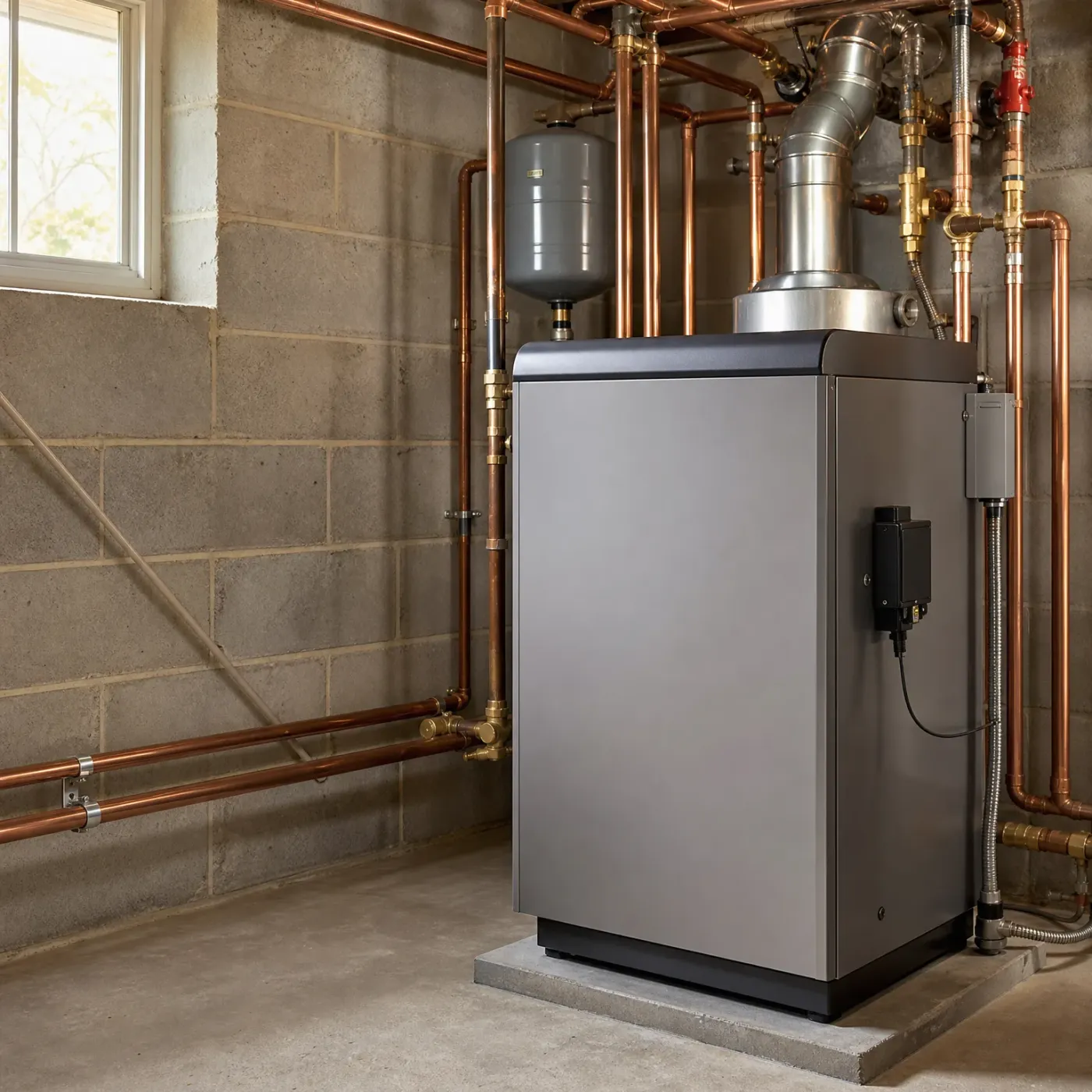
A gray floor-standing boiler with a metal flue stands against a concrete block wall, connected to copper pipes, brass valves and a gray expansion tank, on a bare concrete floor.

Pilot holding steady

A flame like this stays blue and upright, and the thermocouple tip sits right in it. No draft is reaching the pilot chamber, and the orifice is clear enough to feed it a steady supply of gas. A boiler running like this will cycle on its own all winter without you touching it.

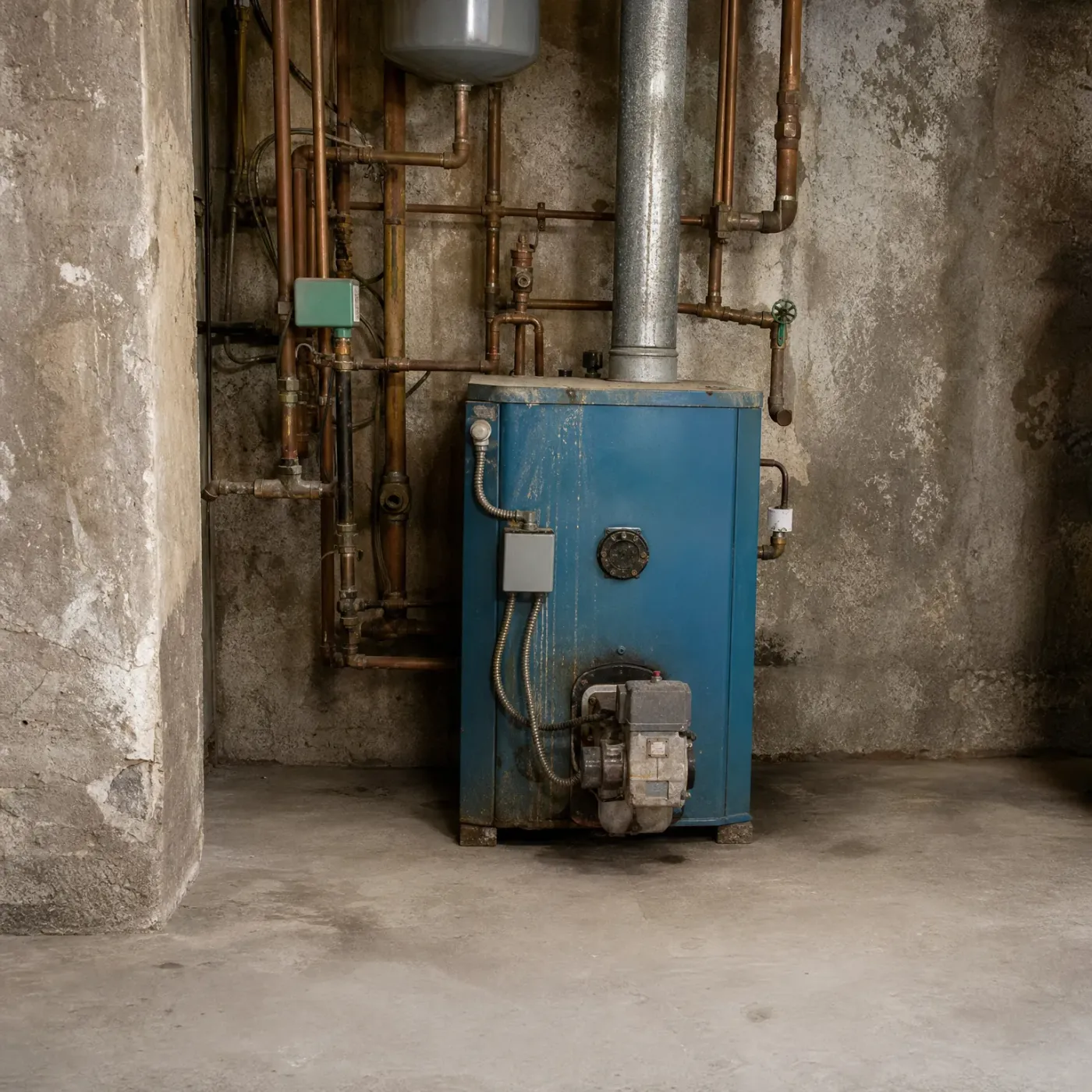
A blue oil-fired boiler with a burner unit and pressure gauge stands in a concrete basement corner, connected to copper pipes and a metal flue.

Pilot losing the flame

On an older unit like this, the burner assembly and pilot see more years of buildup, and the thermocouple can drift out of position from age or handling. Once it sits even slightly off the flame, it stops sensing heat and the gas valve cuts fuel to the pilot.

A blue cabinet boiler with a metal flue pipe and copper piping stands against a bare concrete wall in a basement with a concrete floor.
Before you get your boiler repair
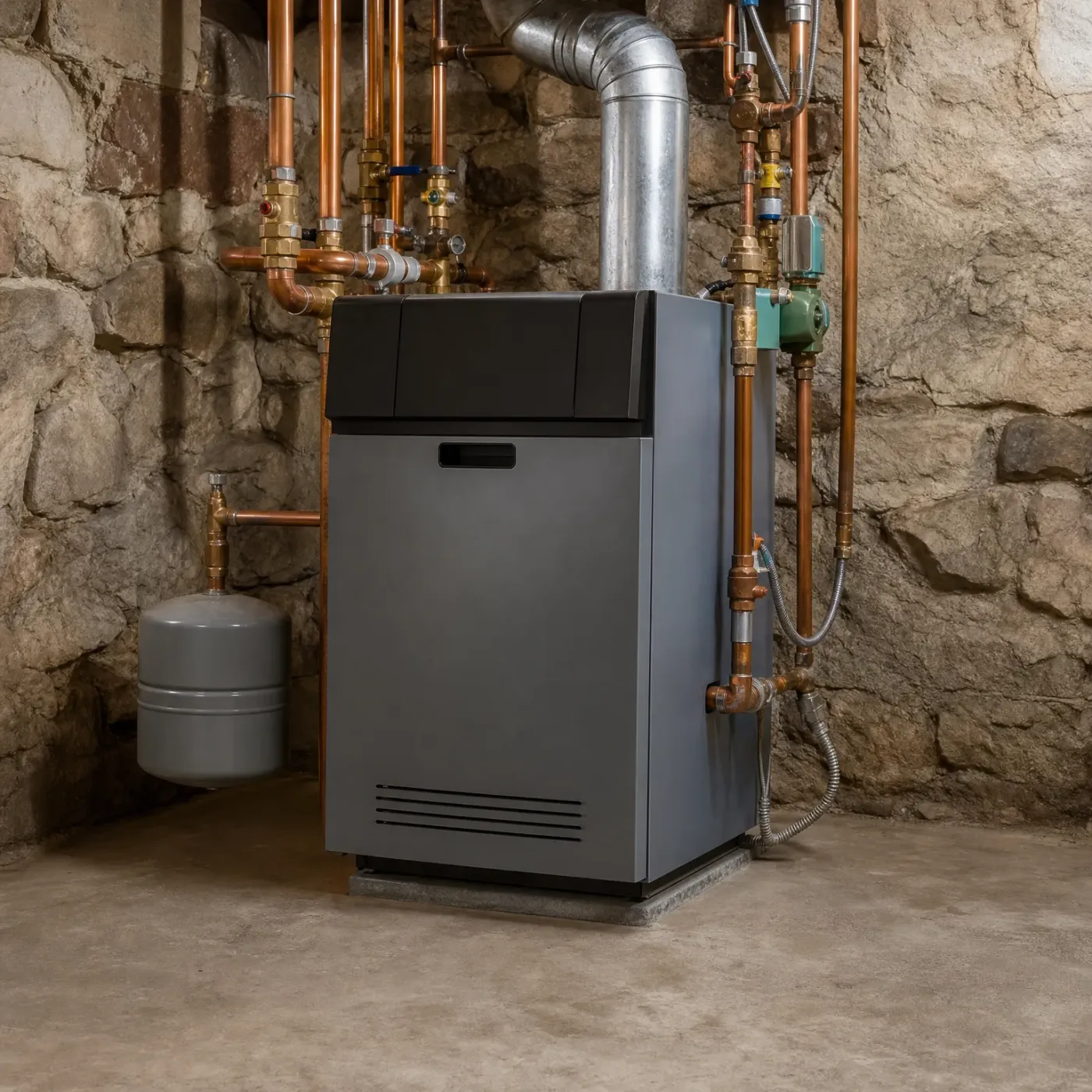
A gray residential boiler on a concrete pad in a basement with stone walls, connected to copper piping, brass valves, a circulator pump, an expansion tank, and a metal flue duct.
After you get your boiler repair
A gray floor-standing boiler on a concrete pad in a basement with concrete block walls, connected to copper piping, a flue vent, and an expansion tank.

Skip calling around

The pro who reaches out is licensed in Alaska.

Describe your boiler job once, to one pro.

Answer a few questions

It costs nothing to send, and you don't have to hire anyone.

A woman with her hair in a bun holds a sleeping young child against her chest, both wrapped in a textured beige knit blanket on a sofa in a dimly lit room with a lamp, framed picture, and bookshelf behind them.
A gray-haired woman in a cream knit sweater stands in a dimly lit kitchen at night, looking to her right, with a round loaf of bread in the foreground and a dark window and potted plant behind her.
A closed laptop and a cream mug of coffee on a coaster sit on a dark wooden table, with a potted plant at left and a kitchen counter, tiled backsplash and shelf of ceramics in the background.

What a pilot that keeps going out means for your house

When the pilot drops out, the boiler stops, and it stays stopped until someone relights it by hand. In an Alaska winter that's not a small thing. The house loses heat while you're at work, while you're asleep, while the kids are at school, and nobody's there to notice the flame went out until the rooms start feeling cold. With power this expensive, you're not going to lean on space heaters to cover the gap for long.

Finding someone to look at it shouldn't be its own chore on top of that. You shouldn't have to call around to three or four companies, explain the same thing about the pilot each time, then sit with quotes trying to guess who actually knows boilers versus who mostly does furnaces. One call gets you a licensed Alaska contractor who works on boiler pilots and thermocouples all winter and already knows what tends to fail first in a system like yours.

A living room corner with a beige upholstered armchair holding navy and striped cushions, a small round wooden side table with a carved bowl and a potted green plant, a framed landscape picture on a pale wall, built-in shelving, and a curtained window.
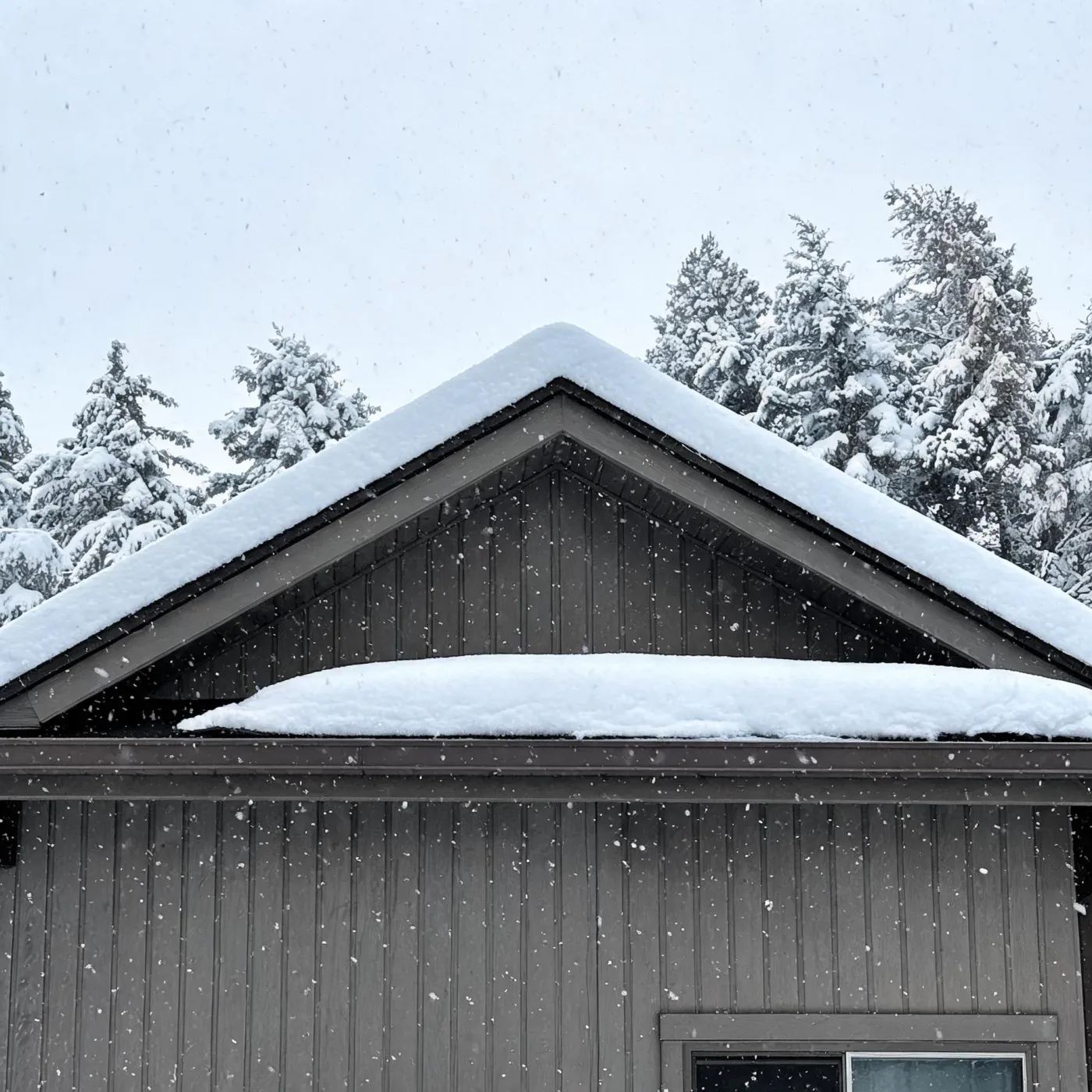
Snow-covered gable roof of a dark brown vertical board-and-batten house during falling snow, with snow-laden conifers behind it under a pale gray sky.

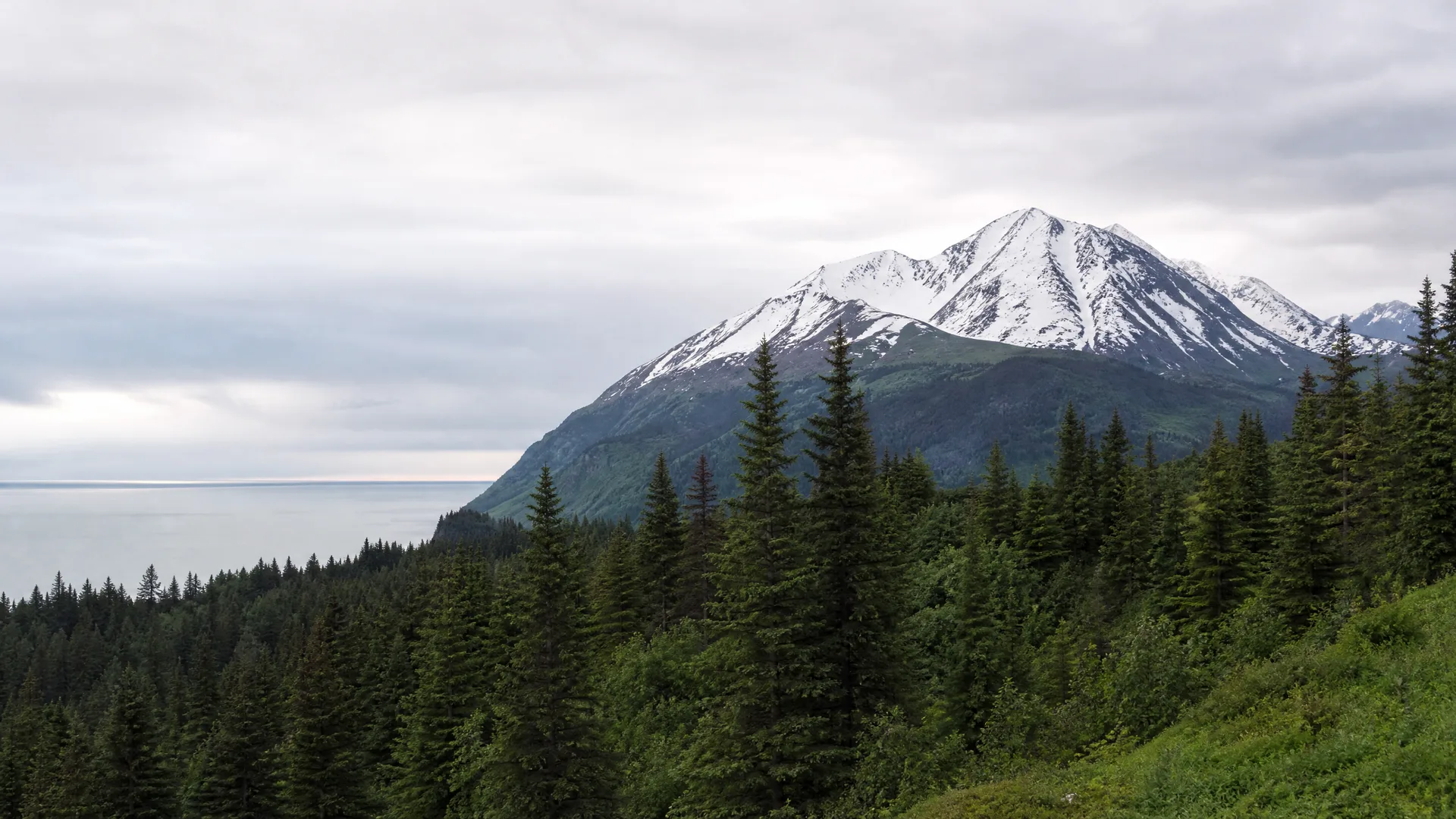
Statewide, winter nights average 9°F, according to NOAA climate data. At that temperature your boiler isn't cycling off for long stretches, it's running close to steady to keep the house warm, and a pilot that keeps dropping out means it can't. Each time the flame goes out, the burners shut down with it, and on a night that cold the house starts losing heat fast. A thermocouple that's marginal might still hold a pilot during a mild stretch, but once temperatures settle in near single digits, the same weak part gives out sooner and more often, because the boiler is asking more of it.

NOAA nClimDiv 1991-2020 county normals weighted by homes

Can I just replace the thermocouple myself?

A new thermocouple costs little and the part itself isn't hard to find at a hardware store. If the boiler's been dropping out on you for a week, it's tempting to just swap it yourself before calling anyone and see if that fixes it.

You can, but the depth and angle matter more than the part

The thermocouple has to sit at a specific depth in the pilot flame, usually a fraction of an inch, and at the right angle for the tip to read the heat correctly. Thread it in too shallow or crooked and it'll cool fast and drop the pilot again within days, same as the one you just pulled out. There's also the flare nut connection to the gas valve, which has to seat tight with no leak. A contractor who works on these every winter in Alaska checks that seating and the pilot orifice at the same time, since a clogged orifice can mimic the same symptom a bad thermocouple does.

A dark gray floor-standing boiler on a concrete pad in a basement, surrounded by copper piping, brass valves, a gray expansion tank, a circulator pump, and a metal flue pipe against concrete block walls.

Running the way it should

Pipes, valves, and gauges all in place, flue drawing clean, and the pilot holding steady behind the panel. A boiler set up like this keeps that basement quiet through an Alaska winter instead of giving you a reason to check it twice a day.

A blue boiler on a raised concrete pad in a basement corner, with copper and steel pipes, a gauge cluster, an expansion tank, and a metal flue running up the bare concrete walls.

Old boiler, pilot on its own

Bare concrete room, a flue running up to the ceiling, and no one's had this panel open in years. Dirt builds up in the orifice over time and a thermocouple this old has likely drifted out of position, which is why the flame won't hold.

Winter nights average 9°F statewide

At 9°F, your boiler can't afford a pilot that won't hold. There's no mild stretch overnight to fall back on while someone gets around to relighting it. A house that loses heat at that temperature cools fast, and it keeps cooling until the flame's back and staying.

NOAA nClimDiv 1991-2020 county normals weighted by homes

What this comes down to

  • A pilot that won't hold is almost always the thermocouple, a draft at the chamber, or a dirty orifice, and a local contractor checks all three in one visit.
  • Relighting it yourself buys a few hours at best; it doesn't fix whatever's cooling the thermocouple or blocking the gas.
  • At 9°F overnight, a boiler that keeps dropping out can't keep up, and that's the problem worth having looked at, not just the pilot itself.
  • Someone who services boilers across Alaska winters has seen which part usually fails first in houses like yours and checks that one first.
  • You explain it once, to one licensed contractor already familiar with this kind of furnace, instead of fielding calls from several companies.
  • Once it's diagnosed and fixed, the pilot holds and the boiler runs the way it's supposed to through the rest of the winter.

A pilot that won't hold is a thermocouple, a draft, or a dirty orifice. Relighting it by hand doesn't touch any of those three. It just buys you until the next time the flame drops and the boiler stops again. That's the part worth sitting with: the fix isn't the relight, it's whoever looks at why the flame keeps cooling or losing its gas supply in the first place.

Winter nights here average 9°F, and a boiler that keeps cutting out has no cushion at that temperature. It needs to run close to steady, not drop out every few hours while someone climbs down to the basement with a lighter. Once the actual cause is found and fixed, the pilot holds on its own and the boiler goes back to running the way it's built to for the rest of the season.

Getting there means someone who already knows this equipment, not a first look at it. A contractor who services boilers through Alaska winters has seen which part tends to go first in houses like yours, and checks that one before anything else. You explain the problem once, to that one person, and they already know what a dropped pilot usually means in a house heating through a winter like this one. No sorting through quotes from companies you don't know, no repeating yourself on three separate calls. One contractor, already familiar with this kind of furnace, takes it from the first conversation through to the pilot holding steady.

Sunlit corner of a room with a wooden sideboard holding a ceramic vase of olive branches and a dark wooden bowl, beside a white-framed window, a hardwood floor and woven rug.
A wooden cabinet holding a pale ceramic vase with leafy branches stands beside a beige wall in a sunlit room with hardwood floors, a jute rug, and a window showing green foliage outside.
Sunlit room corner with a beige upholstered sofa holding a rust-brown cushion, beside floor-length linen curtains at a window, over a wood floor with a woven rug.
Corner of a room with beige walls, a framed photograph, a floor-length linen curtain beside a window, an upholstered armchair with a knit pillow, white baseboards and trim, wood flooring and a pale rug.
Sunlit living room corner with a beige upholstered armchair with a cushion, linen curtains beside a wooden-framed window, green vertical panelled wall with a framed print, and a wooden table edge over a woven rug.

Describe it once

Only one pro gets your request, so you hear from one company.

Describe it once

No charge to send it. You decide if you hire them.