 Get matched
Is a high-efficiency boiler worth it in Alaska
Describe your boiler job, and a local pro who handles it gets in touch.
A boiler in Alaska runs most of the year. That's a lot of hours on the burner and a lot of gas through the meter, so the efficiency rating matters more here than it would somewhere with a short winter.
A high-efficiency boiler costs more upfront than a standard one, and whether that gap is worth it depends on what you're replacing, how your home is set up, and how long you plan to stay in it. Those are details specific to your house, not something a general answer can settle for you.
Power in Alaska runs among the most expensive in the country, which is part of why most homes here heat with gas rather than electric resistance. That makes the boiler itself the main cost driver for a winter's heat, and it's why the difference between a standard and a high-efficiency unit shows up clearly on a gas bill over a full heating season rather than staying theoretical.
Getting a straight answer on whether the upgrade pays off means having someone look at your actual setup: your current boiler, your home's heat loss, what venting and piping changes a high-efficiency model would need. That's not something to guess at from a search box.
This is where a local contractor earns their keep. Someone installing boilers in Alaska winters sees the same venting quirks, the same cold-snap demands, the same gas line questions year after year. They know what a high-efficiency install actually needs in a house like yours, not in a house somewhere warmer.
When you're ready, you can be matched with one licensed contractor local to your area, not a handful of companies competing for your attention. They'll reach out directly, look at your situation, and give you a real answer for your home instead of a general one.
Is a high-efficiency boiler actually worth it in Alaska?
You're running a boiler through a long, cold Alaska winter and you want to know if paying more for a high-efficiency model actually pays you back, or if it's just a bigger number on the invoice.
Yes, for most homes burning gas through a long heating season
A standard gas boiler sends a good share of the heat it makes straight out the flue. A high-efficiency condensing boiler pulls more of that heat out of the exhaust before it leaves the house, so it burns less gas to put out the same warmth. In a place where the boiler runs for months at a stretch, that difference shows up on the gas meter every one of those months, not just a few weeks in spring and fall. The longer the burner runs each year, the more those extra efficiency points are worth. Since most homes here heat with gas rather than electricity, the comparison that matters is gas in against heat out, and that's where the higher-efficiency unit earns its keep.
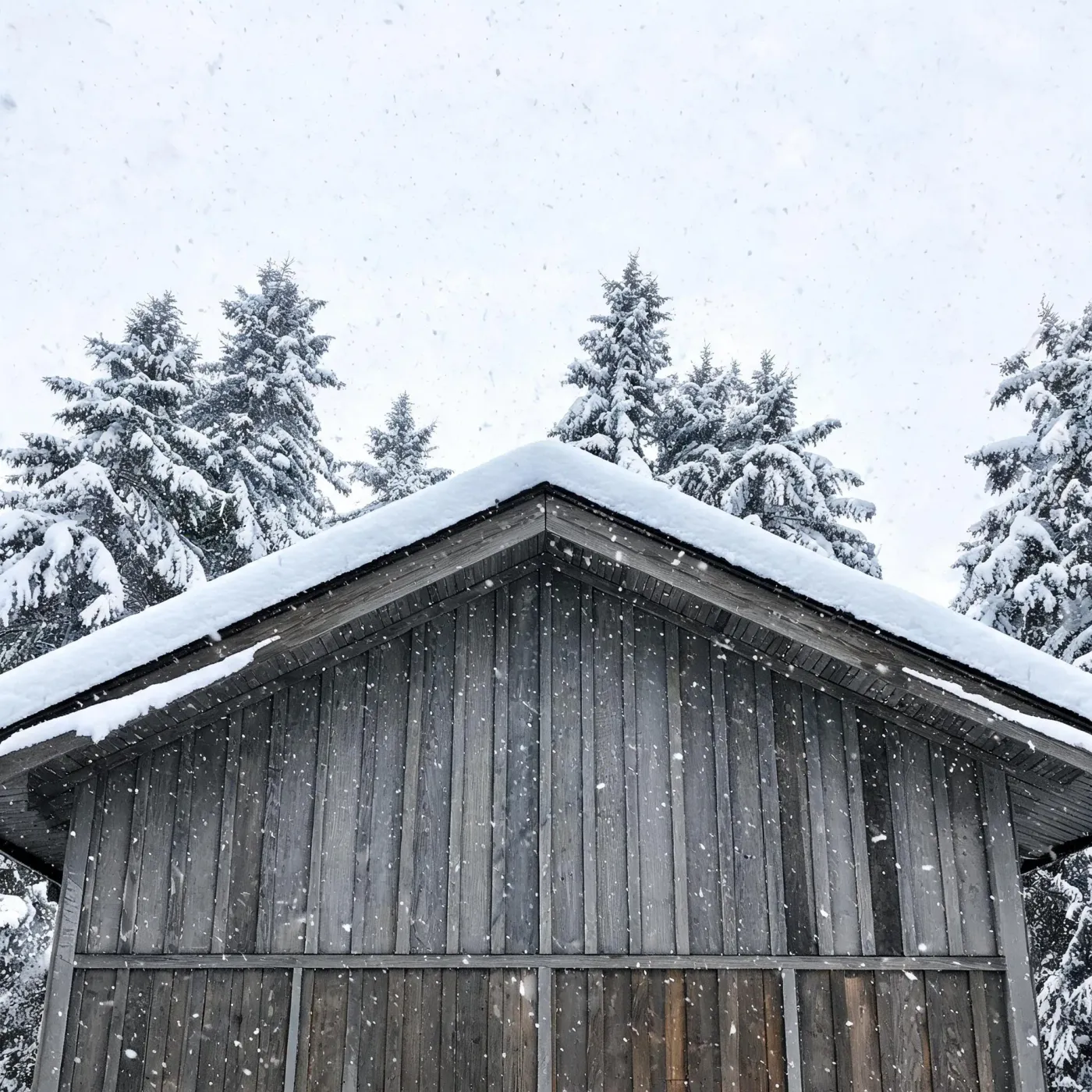
Winter nights across the state average 9°F, according to NOAA climate data, and that's the number your boiler is working against for months at a time. The colder the air outside, the longer the burner runs to hold your house at temperature, and the more gas moves through the meter on a January night than on a mild one in October. A standard boiler burns a good share of that gas just to vent exhaust gases out of the house. A high-efficiency model pulls more heat out of the same flame before it lets the exhaust go, which matters more on a night at 9°F than it would somewhere that never sees a freeze. Getting that efficiency gain in practice comes down to how the unit is sized and installed for your house, which is where a local contractor who installs boilers in this cold every winter earns their keep.
NOAA nClimDiv 1991-2020 county normals weighted by homes
A local pro for your boiler installation

Your request goes to one pro, not a list of companies.
Sending the form costs nothing.


Winter nights average 9°F statewide
At 9°F, your boiler isn't cycling on and off for a few minutes at a stretch. It's running long, steady burns to keep up, night after night. Every degree of efficiency you gain gets multiplied by those hours, which is why the rating matters more here than somewhere milder.
NOAA nClimDiv 1991-2020 county normals weighted by homes
Sticking with a standard boiler
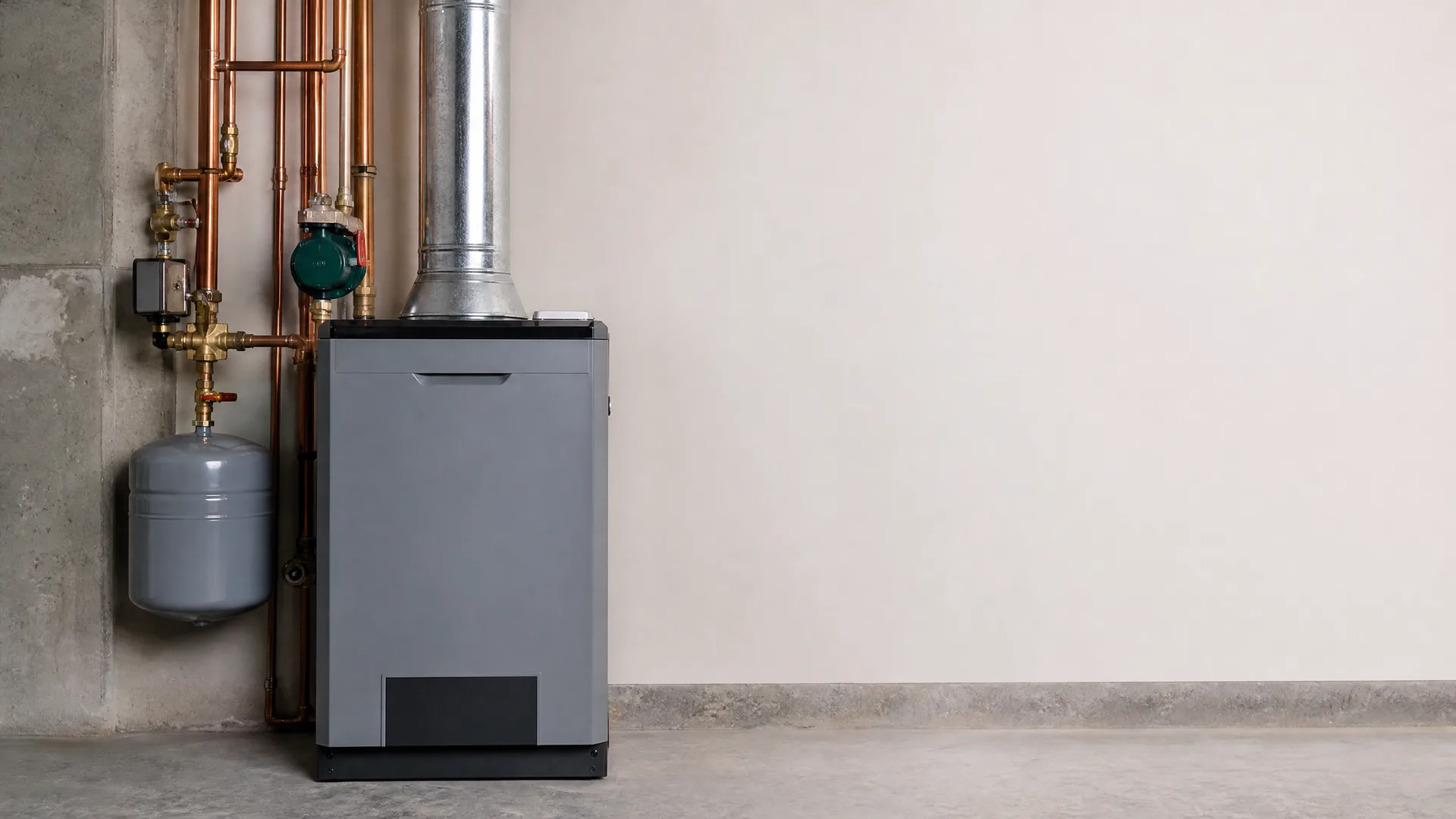
A standard boiler costs less to install and there's nothing complicated about it. Any local contractor can source parts for one without trouble. But it runs at a lower efficiency through every one of those long winter burns, so more of the gas you pay for goes out the flue instead of into your house. Over a winter that runs from fall into spring, that difference shows up on the gas bill every single month.
Switching to high-efficiency
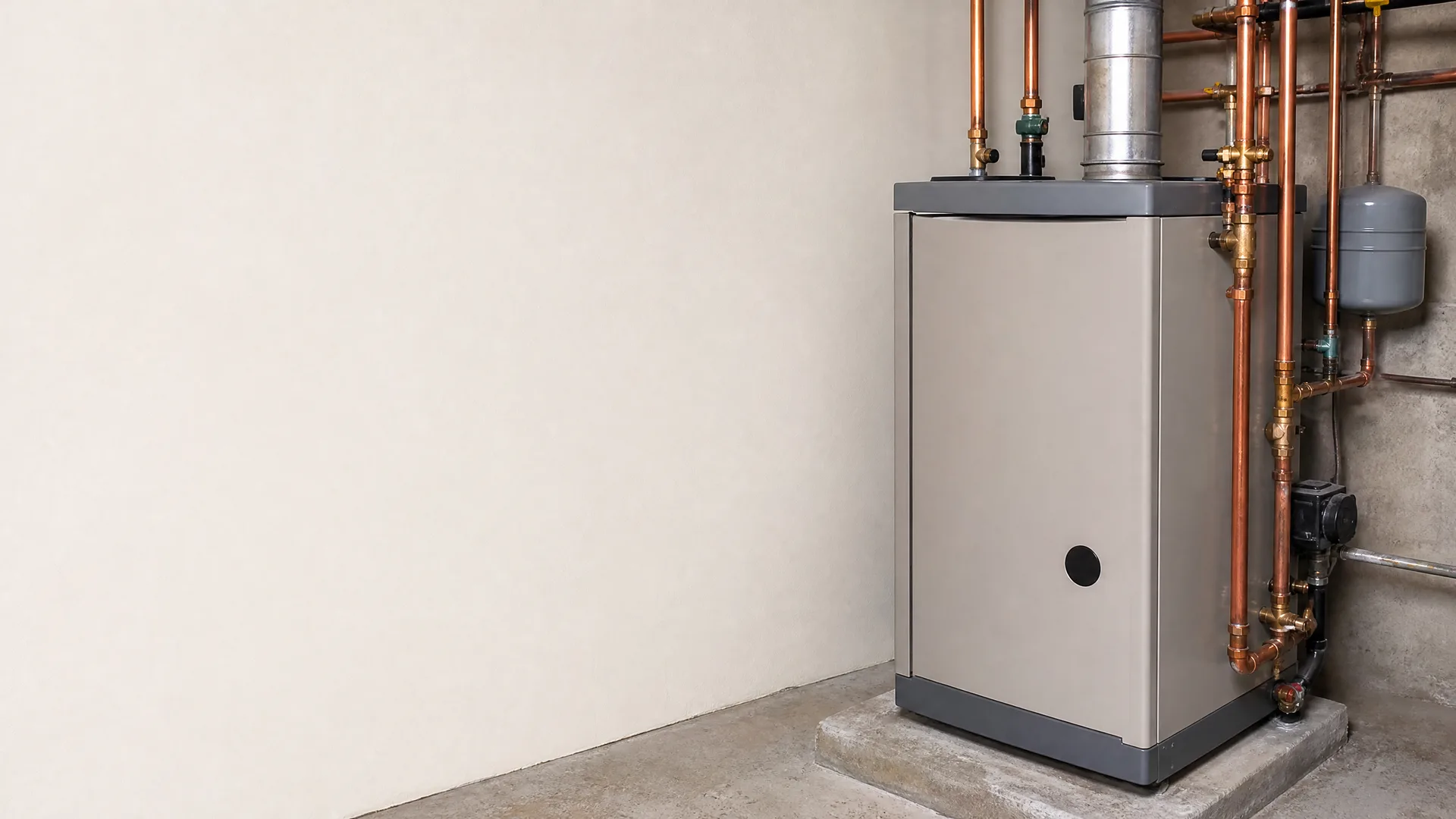
A high-efficiency boiler pulls more heat out of the same amount of gas, condensing the exhaust instead of venting it hot. That matters most exactly when the burner is running long and steady, which in Alaska is most of the year. The installation is more involved. It needs venting and a condensate drain a standard boiler doesn't use, so it has to go in correctly from the start, not just dropped in place of the old one.

A long cold season rewards the higher rating
A boiler running night after night at 9°F burns a lot of gas no matter what you install. A high-efficiency model gets more heat out of that same gas, and over a winter this long, that difference adds up to real money saved. A standard boiler costs less going in but keeps paying out the lower efficiency every night it runs. Which one makes sense depends on your house, your current system's age, and how long you plan to stay put, and that's worth working through with someone who installs these locally rather than guessing from a brochure.
A contractor who works on boilers in Alaska all winter has seen what holds up through burns this long and what tends to fail first. Getting matched means one licensed local contractor looks at your specific setup and reaches out to you directly, not a handful of companies competing for your number. You'll know where you stand on your own house, not a general case.





Boiler Installation
Get the right pro for your boiler
One installer gets your project, so there's no bidding war over it.
