Running quiet
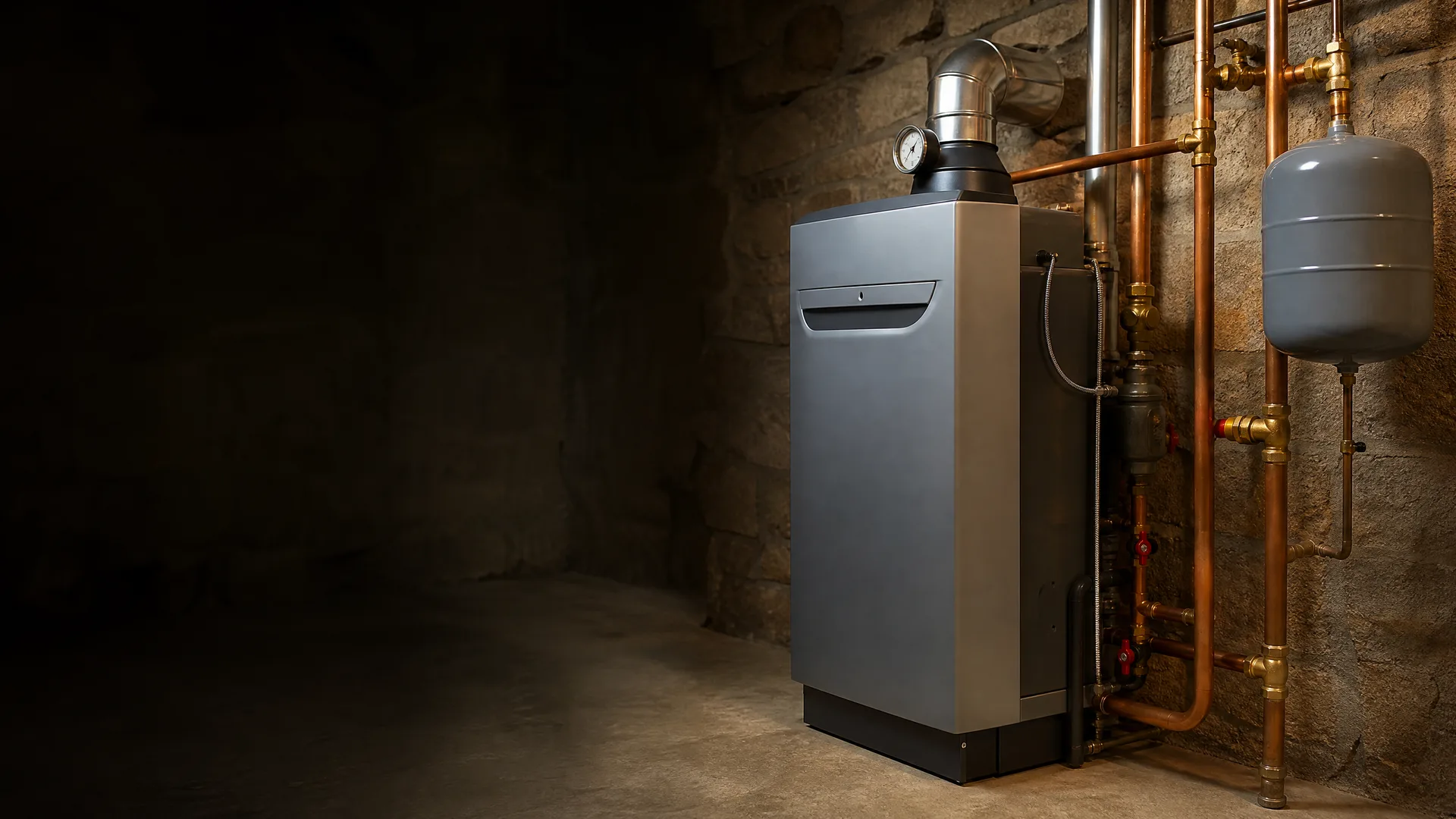
Water moves freely past the heat exchanger and the burner cycles the way it was designed to. No popping, no rumbling, just the circulator pump humming and heat going where it should. This is what it sounded like before scale built up.
 Find a boiler pro
Tell a local repair pro what your boiler is doing.
That kettle noise, the rumbling and popping coming from inside the boiler, means scale has built up on the heat exchanger somewhere. Water gets trapped against hot metal, flashes to steam, and collapses. The noise will keep coming back until someone deals with the buildup, and running the boiler through a loud Alaska winter on a heat exchanger that's struggling isn't something to sit on.
Gas heats most homes here, and with power costs among the highest in the country, your boiler isn't a system you want working harder than it has to. A kettling boiler is losing efficiency as the scale thickens, and that shows up on your gas bill before it shows up anywhere else.
Finding someone qualified to look at it is its own chore. You'd normally be searching for boiler techs in your area, calling a few, explaining the popping and rumbling to each one, then waiting to see who actually calls back and comparing whatever quotes come in. That part is what this page handles. Tell it what's going on with your boiler once, and a contractor who works on boilers in Alaska gets matched to your situation and reaches out to you directly.
No guesswork about who's available or who actually answers the phone. No repeating the same description of the noise to three different companies. You give the details once, here, and the matching does the rest.
What happens once that contractor looks at your boiler, whether it's a flush, a descaling, or something else the exchanger needs, is between you and them. What this page gets you is past the part where you're stuck searching and waiting and explaining the same thing over again. That's the piece that's gone once you use it.
The button below starts that match.
That kettling noise is scale, built up on the heat exchanger, trapping water against hot metal until it flashes to steam and collapses. It only gets louder from here. Alaska's water tends to run hard, and hard water leaves mineral deposits faster than soft water does, so boilers here build up scale sooner than you'd expect from their age. Left alone, that scale forces the heat exchanger to work harder to move the same heat into your water, and with power costs in Alaska among the highest in the country, that shows up fast on your bill. Worse, the trapped steam pockets stress the metal itself. A heat exchanger that cracks from that stress is a far bigger repair than cleaning scale off one. The noise is your boiler telling you something is already wrong, not a warning about something that might happen. A contractor can flush the system, clear the scale, and check the heat exchanger for damage before it gets worse.
The heat exchanger is where your boiler's water runs hottest, so it's where minerals drop out of the water first and stick to the metal. That layer starts thin. At first it just makes the burner work a little longer to heat the same amount of water. As it builds, water gets trapped between the scale and the metal. That trapped water turns to steam faster than it can get out, and when the steam collapses, you hear it as banging or popping. The noise usually starts as a light tapping and gets louder over weeks, as more scale traps more water against the hot metal. The same layer that's making the noise is also raising the temperature at the surface of the heat exchanger, which is what wears the metal out before its time. The boiler is still heating your home through all of this. It's just burning more gas to do it than it used to, with power rates in Alaska what they are.




Fill out one short form instead of calling around.
A local pro who knows boilers gets your details and gets in touch.
It costs nothing to send, and you don't have to hire anyone.
You're probably hearing it most in the evening, when the boiler is working hardest to keep the house warm. The sound comes from inside the unit itself, not the pipes down the hall. It might be a steady rumble, or it might pop and knock like something loose is rattling around in there. Some nights it's quiet, then it starts up again. Along with the noise, you may notice the boiler taking longer to bring rooms up to temperature, or running more often than it used to. That extra run time shows up on your power bill, and with rates what they are in Alaska, a boiler working harder than it should costs you every month it goes unfixed. Left alone, the scale causing the noise can crack the heat exchanger over time.
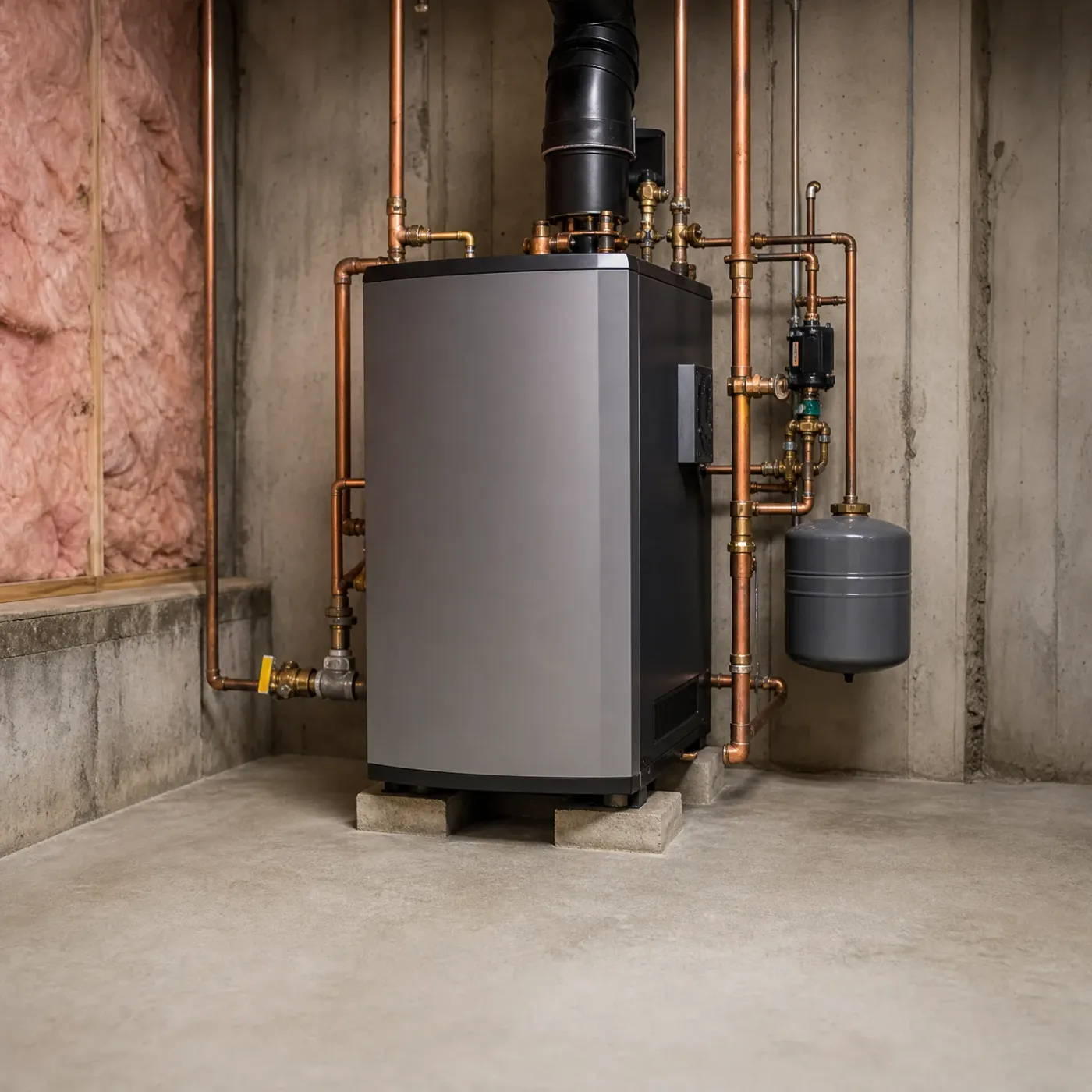
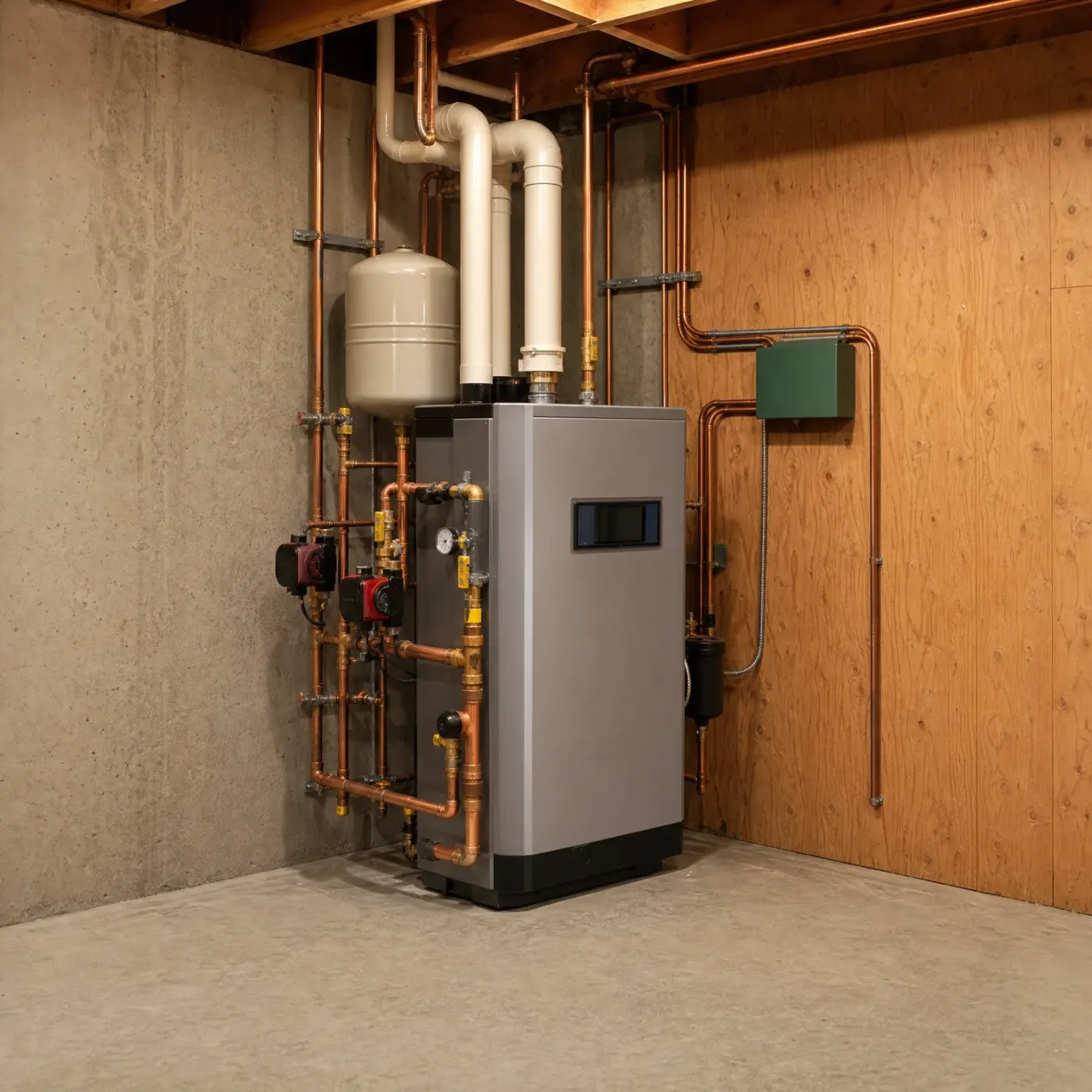
Water moves freely past the heat exchanger and the burner cycles the way it was designed to. No popping, no rumbling, just the circulator pump humming and heat going where it should. This is what it sounded like before scale built up.
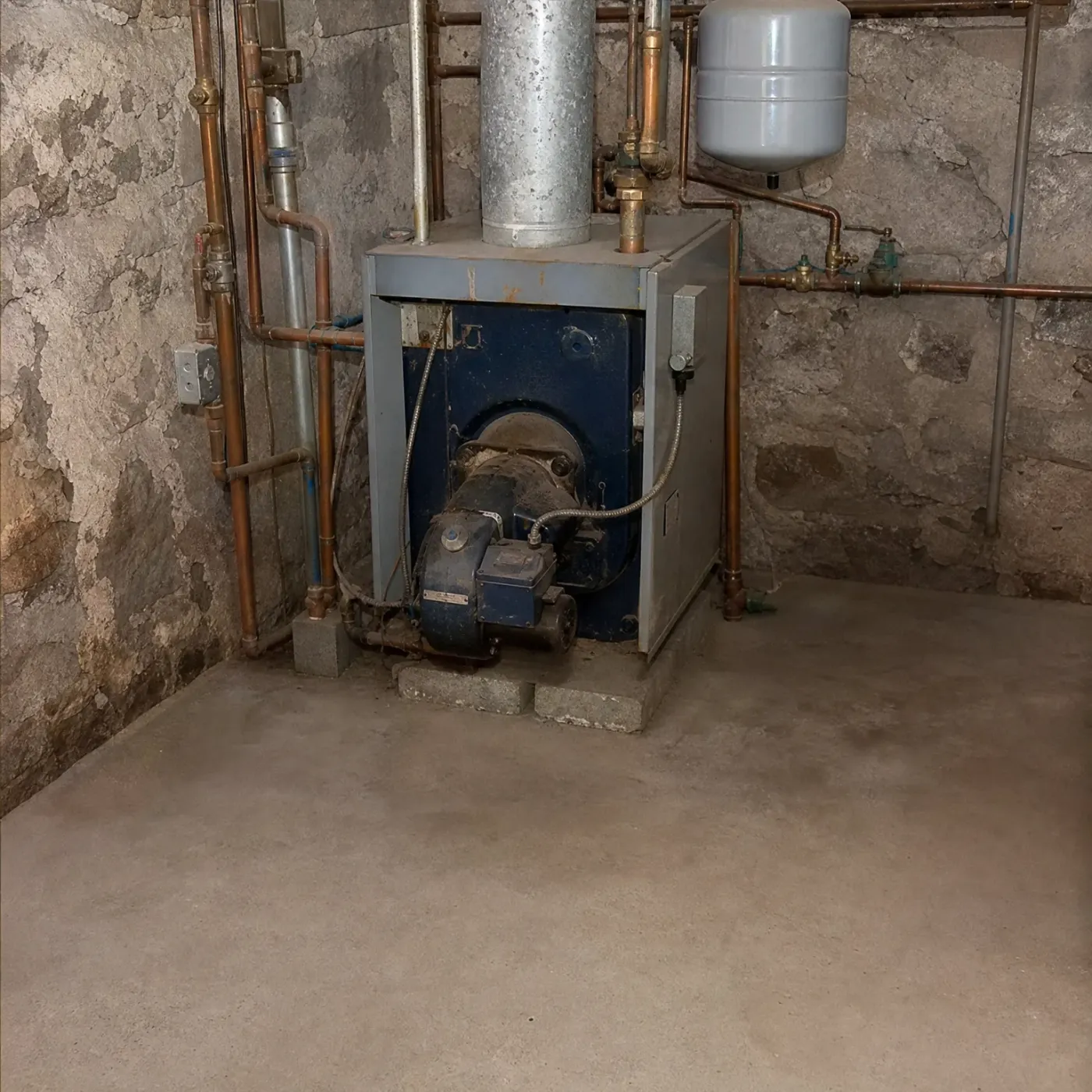
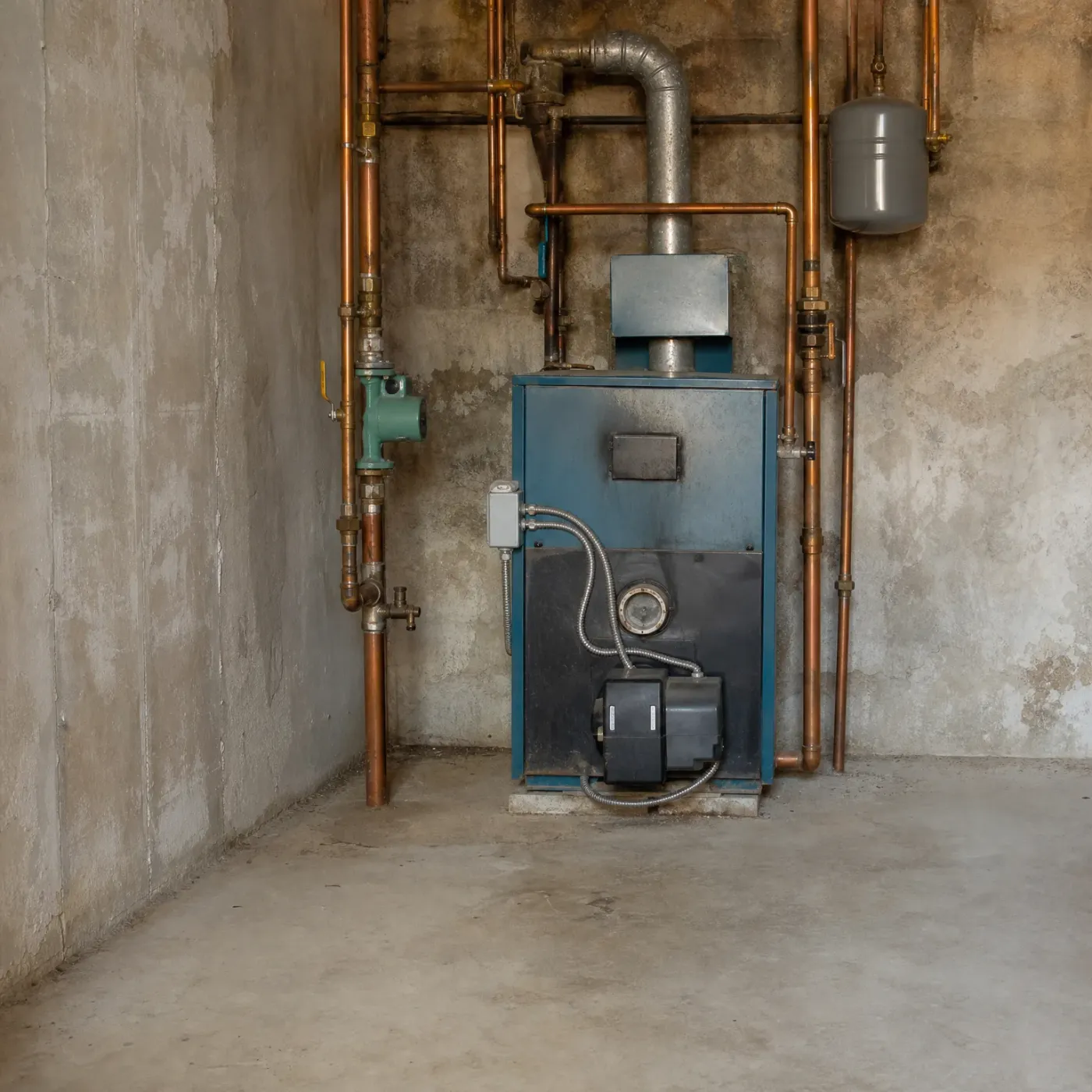
Mineral deposits have coated the heat exchanger, so steam pockets form and collapse against the metal. The flue and pipes carry that noise through the basement. Left alone, the burner keeps working harder against the same insulating layer.
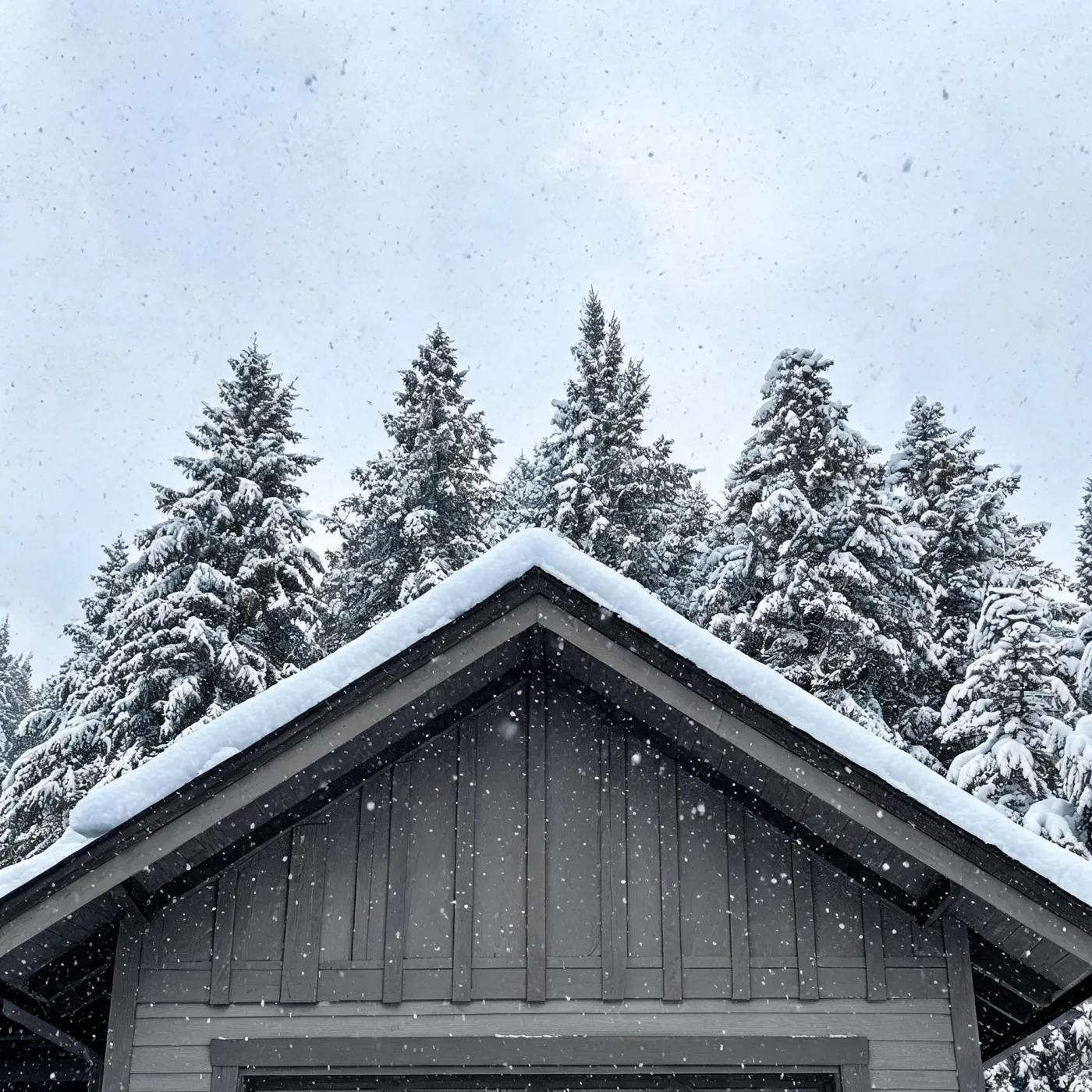
Winter nights average 9°F statewide, according to the National Weather Service. That's the kind of cold that keeps your boiler firing most of the night, not just a few hours at dusk. Every one of those long burns pushes hot water past the scale sitting on your heat exchanger, and that's when the kettling gets loudest, usually right when you're trying to sleep. The longer the burner runs to push heat through that scale, the more steam gets trapped and collapses against the metal. A boiler that only pops a little in October can be rumbling through the night by January, once the cold really sets in.
NOAA nClimDiv 1991-2020 county normals weighted by homes


Every cycle, the burner fires longer to push heat past the scale sitting on the heat exchanger. That extra runtime shows up on the gas side and on the power bill for the circulator pump and controls, both running longer than they should. Alaska power rates are already among the highest in the country, so a boiler working harder than it needs to costs more here than it would almost anywhere else. The noise is the warning. The bill is what's actually changing while you wait.
Scale doesn't dissolve back into the water once it's formed. It sits on the heat exchanger and builds on itself, layer over layer, as more hard water passes through and more minerals drop out. Nothing in a boiler's normal operation scrapes that away. The popping you hear tonight will be there tomorrow night too, and most likely worse, because the layer trapping steam against the metal is thicker than it was last week. Left alone, it only moves in one direction.
At 9°F, your boiler is firing most of the night to keep the house warm, not just running in short bursts at dusk. Each of those long burns pushes hot water past the scale on the heat exchanger, and that's when the kettling gets loudest.
NOAA nClimDiv 1991-2020 county normals weighted by homes
Cold water enters the boiler and picks up dissolved minerals from Alaska's hard water supply.
Minerals drop out of solution first at the heat exchanger, where the water runs hottest.
A layer of scale forms, trapping a thin film of water against the hot metal surface.
Trapped water flashes to steam inside the scale, then collapses back into water.

The noise is scale on the heat exchanger, and that scale stays there until someone removes it. Nothing in how the boiler runs wears it away. Every night it fires through another Alaska winter, the layer gets a little thicker and the popping gets a little louder.
You know what it is now. What's left is getting a contractor who can descale the heat exchanger and check what the buildup may have already cost the burner and the exchanger itself. That means skipping the calls to find someone, the back and forth explaining what you're hearing, and the work of comparing quotes on your own evenings. Answer a few questions about your boiler and a contractor who takes on jobs like this will reach out to you directly.

The right pro for this job