180°F
Water near that temperature can flash to steam against a scale-covered section, then collapse back, which is what kettling sounds like inside the tank.
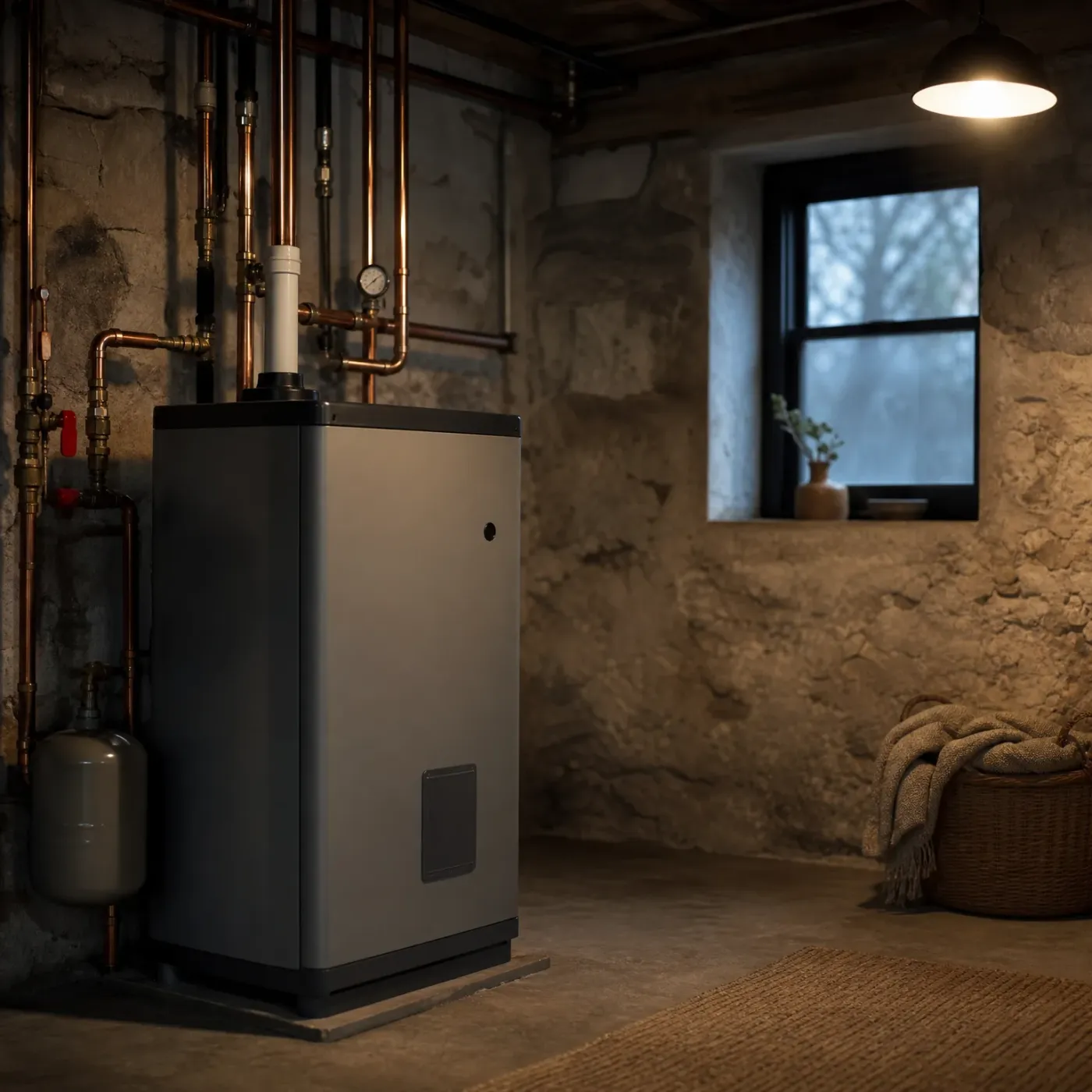
Matched to your boiler job
That bang usually means trapped air or sediment built up in the boiler, and winters here put it through enough hours that the noise tends to show up sooner rather than later. Below, what's likely causing it and what it means for your system. If you'd rather have someone look at it directly, you can get matched with a contractor who takes it from there.
Request a proThat banging usually comes from water hitting trapped air, or from sediment that's settled at the bottom of the tank and hardened over the water trying to move past it. Air pockets form when water circulates through the pipes and radiators and some gets left behind; the boiler fires, the water moves, and it slams into that pocket. Sediment is different. It builds up slowly on the bottom of the tank, and when the burner heats the water underneath that layer, steam pockets form and collapse, which is where the loud bang comes from. Either way, the noise is the boiler telling you something is in the way of the water or the heat doing what it should. It is not dangerous in the moment, but sediment buildup makes the boiler work harder to heat the same amount of water, and that keeps happening every time the heat runs until it's cleared out or flushed.




The bang you hear has a cause, and the cause tells you something about what's happening inside the tank. Water doesn't compress, so when it slams into a pocket of trapped air, the sound carries through the pipes as a sharp knock, usually right as the burner kicks on and circulation starts moving. That's the air problem. The other kind is slower to build and worse to ignore. Sediment settles at the bottom of the tank and over months it hardens into a layer of scale. Water underneath that layer still boils, but it has to push through the scale to escape, and that's what produces the deep rumble people call kettling. It's not just noise. A boiler working through kettling is working harder than it should to heat the same water, and the metal of the heat exchanger underneath that sediment heats unevenly. Over time that uneven heating is what cracks a heat exchanger. There's a third source worth knowing about, separate from air and sediment. If a feed pump or circulator is running against a valve that's closed or nearly closed, it won't hum the way it should. It bangs instead, because the pump is pushing against resistance it isn't built to push against. Each of these has a different fix, and a contractor listening to the sound and checking the system can usually tell which one it is.
The bang itself isn't the damage. It's a sign of what's happening inside the tank while you're not looking. Sediment sitting at the bottom doesn't loosen on its own, it hardens, and every week it sits there makes the eventual cleanout harder. Meanwhile the boiler is working around the problem, not through it, pushing heat past air pockets or past a layer of hardened scale, and that extra effort lands on a power bill that's already steep here. If the noise has moved into kettling, part of the tank is running hotter than it should, and that heat is landing directly on the heat exchanger. None of this fixes itself by waiting. A boiler that's banging in December tends to still be banging in January, usually louder, and an Alaska winter is a long stretch to run a system that's already straining. The households that call early are calling before the burner fires into a bigger repair, not after.


Water near that temperature can flash to steam against a scale-covered section, then collapse back, which is what kettling sounds like inside the tank.
Banging doesn't clear on its own. Each heating cycle runs the same water past the same air pocket or scale until a contractor deals with it.
At 9°F on a winter night, your boiler is running close to nonstop to keep the house warm. That's a lot of cycles pushing water past whatever air or sediment is in there, which is why the bang tends to turn up in the middle of winter rather than fall.
NOAA nClimDiv 1991-2020 county normals weighted by homes
A banging boiler left as is: you keep hearing it through the coldest months, and the noise doesn't tell you when something's about to fail, only that it's working harder than it should.
A boiler checked out: a contractor finds out whether it's air that needs bleeding or sediment that needs flushing, and you know which one you're dealing with instead of guessing through another Alaska winter.
You've read what's likely making that noise and what it costs you to leave it. Diagnosing air versus sediment, or catching kettling before it turns into a cracked heat exchanger, isn't something to guess at over a winter that's already running your boiler close to nonstop. With power rates here among the highest in the country, every extra cycle spent pushing water past a blockage is a cost you're paying to put off a call rather than make one. A contractor who works on boilers in Alaska winters can tell you in one visit whether it's air that needs purging or sediment that needs flushing, and whether the tank's far enough along that repair is still the right call. Send the request and that part of this stops being something you have to figure out yourself.
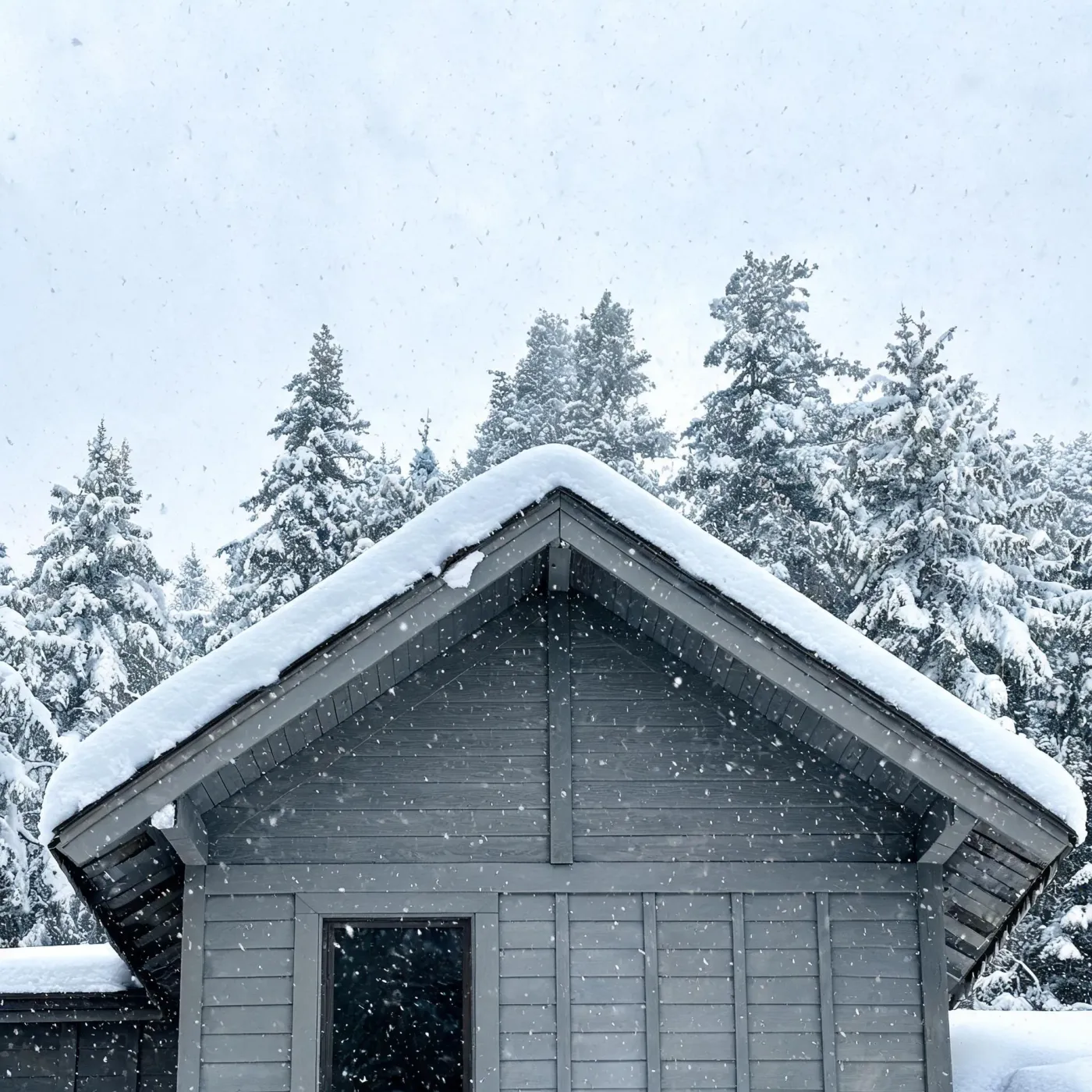
Statewide, winter nights average 9°F. At that temperature your boiler isn't cycling on and off, it's running close to steady, pushing hot water through the same pipes and radiators hour after hour. Every one of those cycles sends water past whatever air is trapped or sediment has settled, which is why a bang that started faint in November is usually louder by January. The cold doesn't cause the noise, but it multiplies how often you hear it. A boiler in a milder climate might knock a few times a week. Yours, running almost nonstop through an Alaska winter, puts that same water past the same blockage hundreds of times more often. Source: National Weather Service
NOAA nClimDiv 1991-2020 county normals weighted by homes

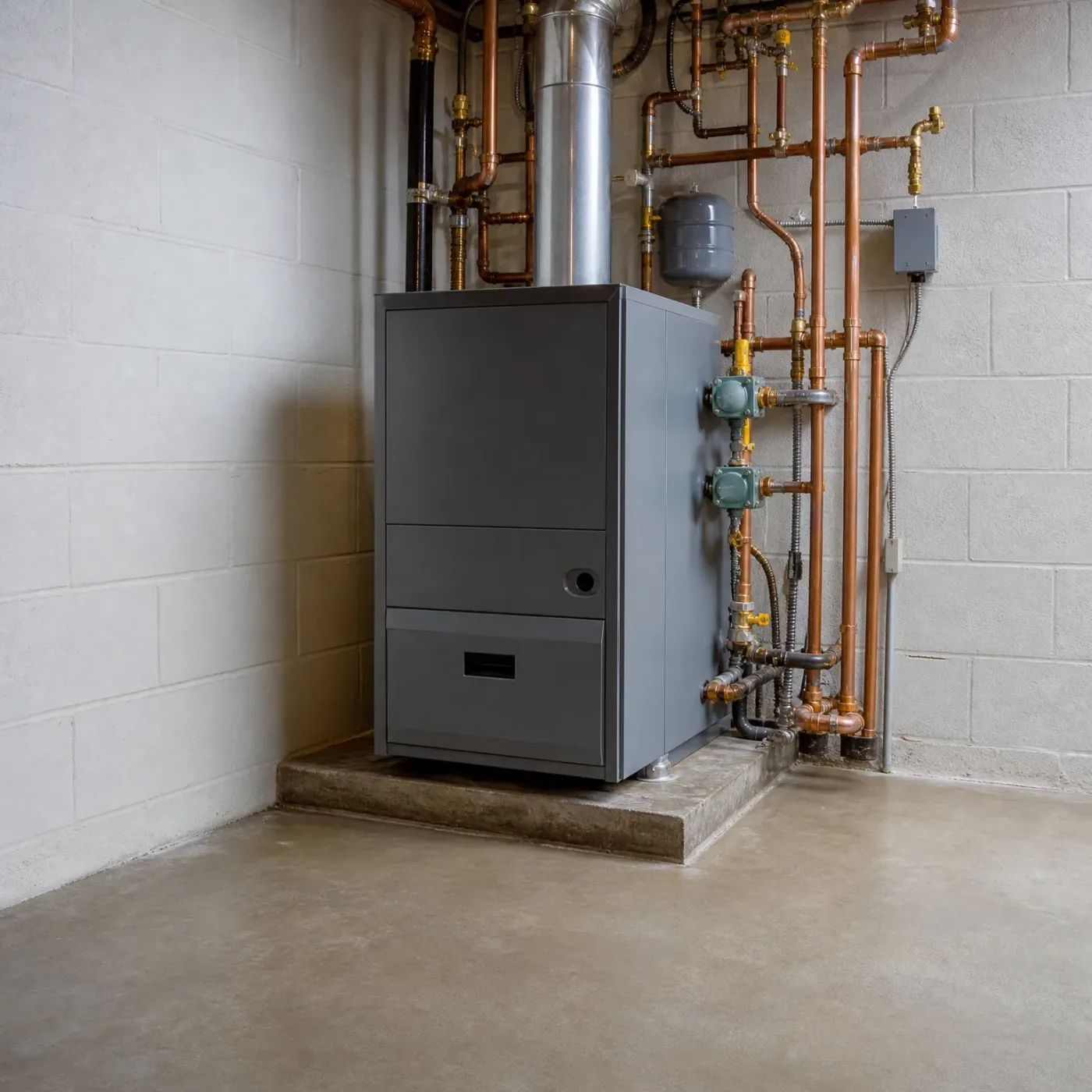
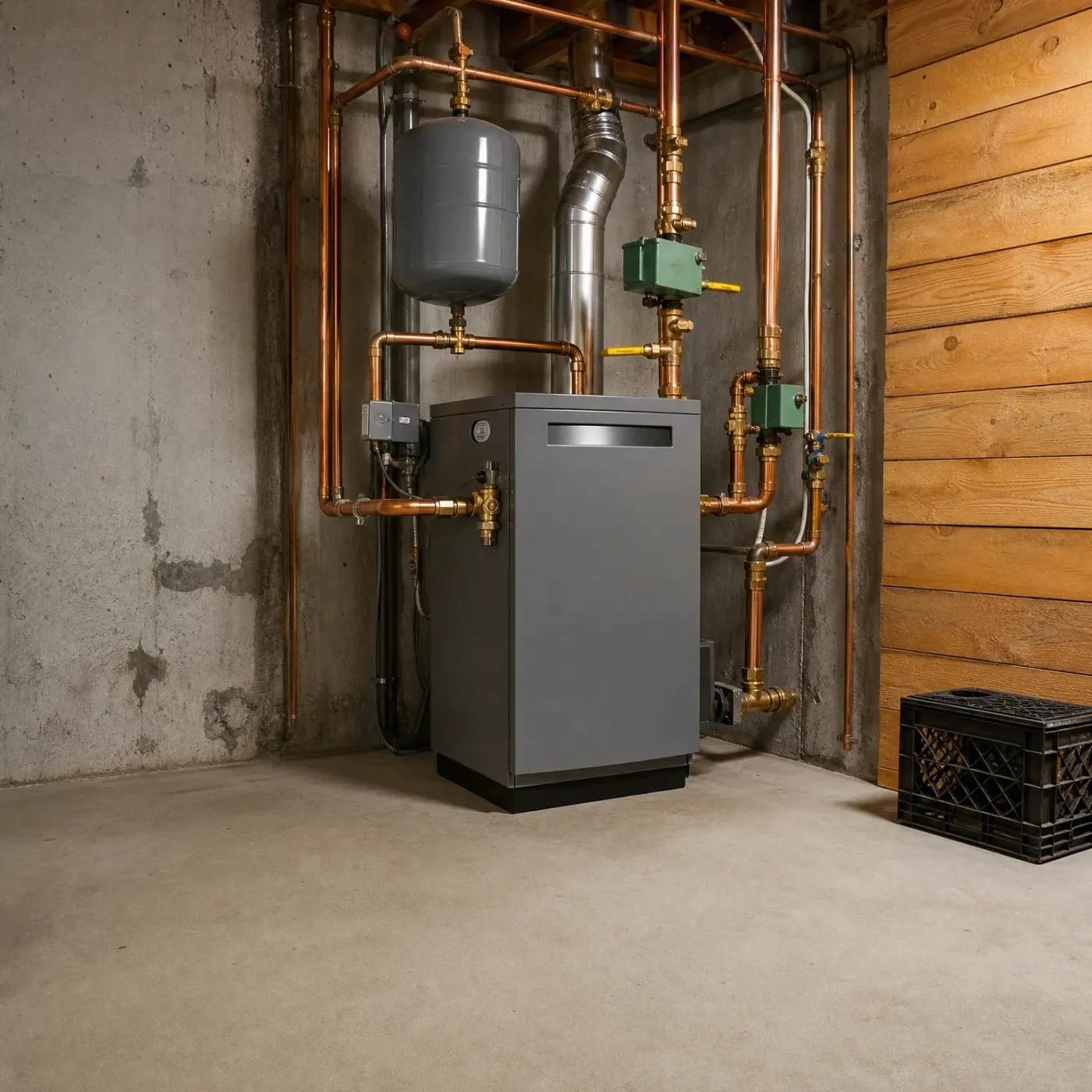
Water moves through the copper and black iron without a sound, out to the radiators and back. The expansion tank does its job and nothing in that loop is fighting trapped air or a layer of scale to get the heat where it needs to go.

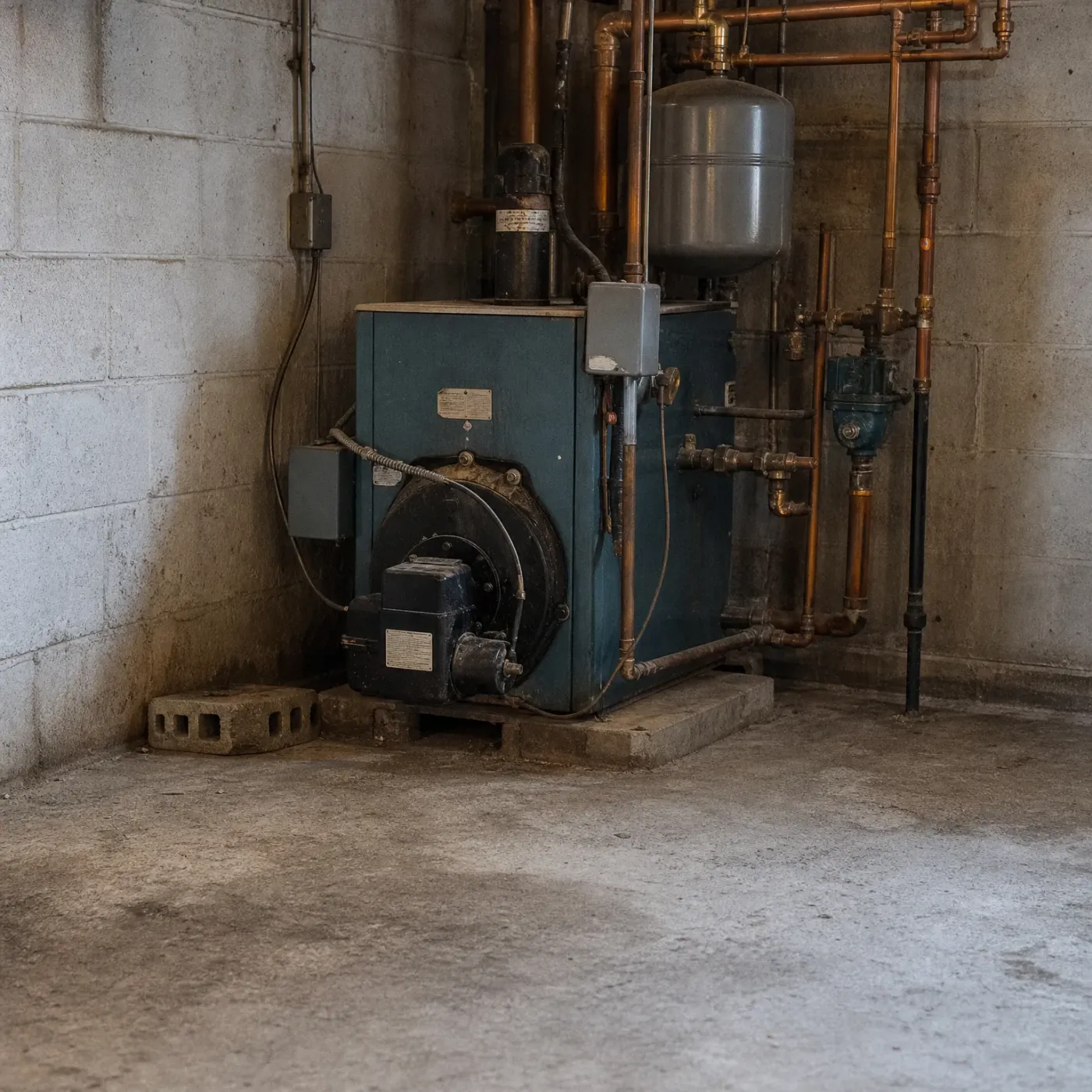
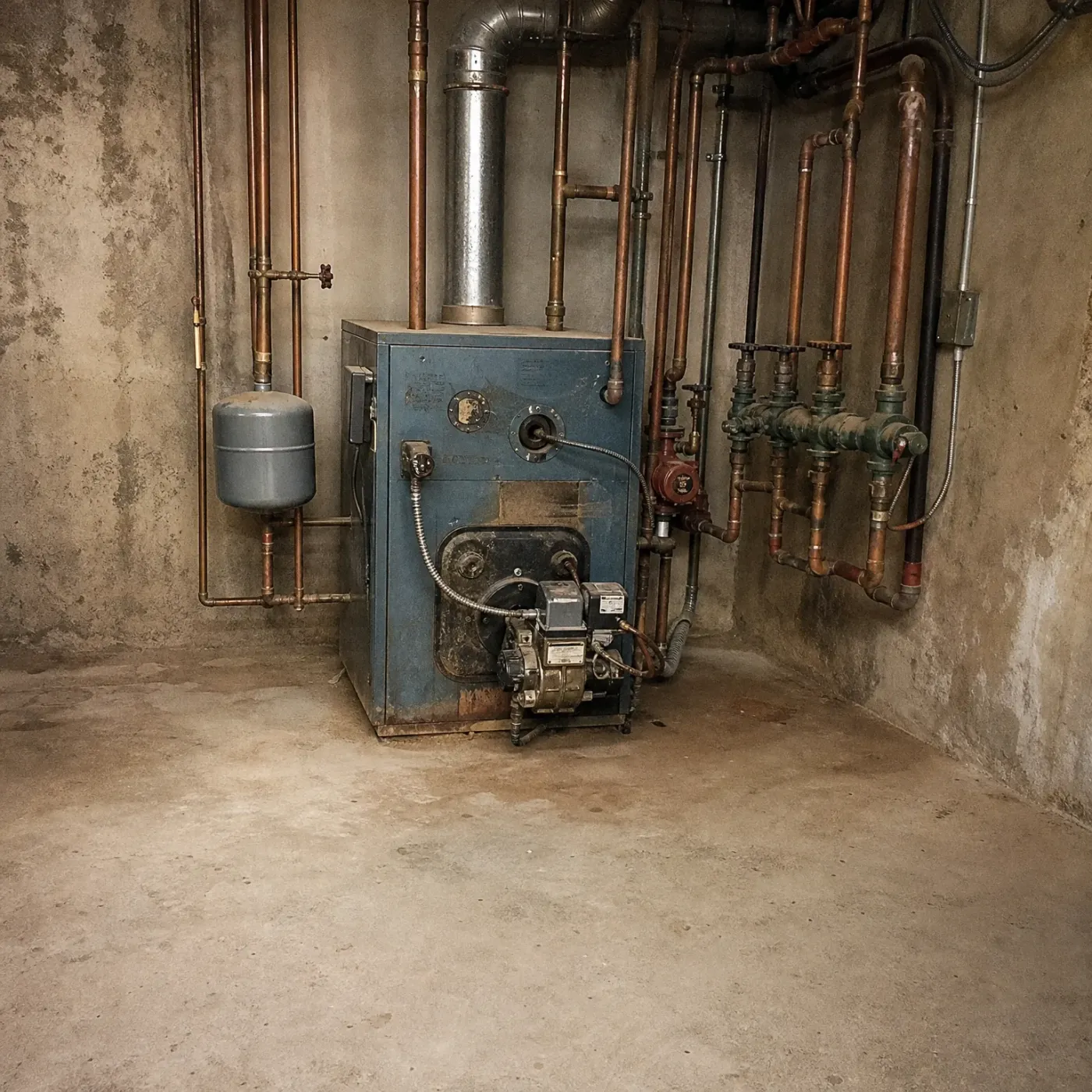
This one's oil-fired, sitting on its pad with the flue running up top. Sediment has settled at the bottom of the tank and hardened, and the water underneath it is working to get past it every time the burner fires. That's the knock you hear.

Whichever it is, the noise itself already told you something: your boiler is working to push heat through water that isn't moving the way it should. That's the whole answer. What you do with it is a separate question, and it's one worth settling before the coldest nights of the year push the system harder.
You don't have to figure out which one it is on your own, or track down a contractor who works on boilers in your area and knows what Alaska winters do to them over years of near-constant running. Send the form and that search is off your plate. A contractor who takes boiler calls in your area gets matched to what you described and reaches out to you directly. You'll know what's making the noise, and you won't be the one who had to find out.


Get the right pro for your boiler



