Tell a local repair pro what your boiler is doing.
Cold radiators in an Alaska winter are not something to sit with. If the boiler is running but heat isn't reaching the rooms, something between the two has stopped doing its job, and the house will keep losing ground until it's found.
A few things cause this. Air trapped in the radiator instead of water. A circulator pump that's stopped moving water through the loop. A zone valve stuck shut. Sludge sitting at the bottom of a radiator that's old enough to have built some up. Each one needs a different fix, and guessing wrong wastes the one thing you don't have much of right now, which is time before the house gets uncomfortably cold.
Most homes up here heat with gas, and a boiler acting up isn't something to leave half-fixed. With power costing what it does in Alaska, you also don't want a contractor running the system harder than it needs to just to chase the same problem again next month. Getting the actual cause found on the first visit matters more here than almost anywhere else.
That's the part that's easy to get wrong without someone looking at your specific setup. Sending this along gets you matched with a contractor who works on boiler systems like yours, in your area, who will reach out to go over what's going on in your home. You won't be the one tracking down who's available or who knows gas boilers well enough to trust with a job like this.
Once you send it, that search is off your plate. You don't have to call around, explain the problem five times, or wait on hold to find someone who can look at it. That part is handled. All that's left is hearing from someone who already knows what you're dealing with before they walk in the door.
Why won't my radiators heat up in Alaska?
Your boiler kicks on, you hear it running, but the radiators stay cold or only get warm near the bottom. In an Alaska winter that's not something to wait out. Usually it comes down to air trapped in the line, sludge sitting in the radiator, or a valve that isn't opening all the way, and each one stops heat from moving the same way.
Trapped air, sludge, or a stuck valve is blocking heat from reaching the radiator
Hot water has to move freely through the radiator for it to heat up, and a few things get in the way of that. Air pockets collect at the top of the radiator and push the water down, so you get a cold top and warm bottom. Sludge and rust build up low in the radiator over years and block the water the other way, warm top and cold bottom. A valve that's stuck shut, or a balancing valve set wrong, can cut off flow entirely. With gas prices what they are here, a boiler running longer to heat rooms that never warm up is money going nowhere.
One Radiator Cold or All of Them
One Cold Radiator
Usually trapped air, since it sits at the high point of that loop and the water can't push past it.
Bleeding the valve at the top of that radiator until water runs steady often brings the heat back on its own.
If bleeding doesn't fix it, that one radiator's valve may be stuck shut or its loop may be partly blocked.
A single cold radiator rarely means trouble with the boiler itself, since the rest of the house is still getting heat.
Worth checking before calling anyone, since it's the kind of small problem that's quick to rule out.
All Radiators Cold
Points to something upstream of every radiator, not any one of them, since they're all losing the same fight.
Low water pressure in the boiler can keep it from pushing heat out to the loops at all.
A failed circulator pump will let the boiler run and heat the water without ever moving it through the house.
Sludge built up in the boiler itself or the main lines can choke flow to every radiator at once.
This is where it stops being a bleed-the-valve job and becomes one for a contractor who can check pressure, the pump, and the water itself.
With power costs what they are in Alaska, a boiler running without heating anything is burning money every hour it sits like that.
A cold radiator in January here is not a project to get to when you have time. Alaska winters don't give you that time. Every day it sits unresolved is a day the rest of the house works harder to make up for the rooms that aren't heating, and with power costs what they are up here, that adds up fast on a bill you're already watching. Sludge in the line, a stuck valve, a boiler losing pressure, these don't usually clear up on their own, and guessing at which one it is can mean a repair that doesn't hold. A licensed contractor who works on boilers in this climate can look at what you've got, tell you what's actually wrong, and get the heat moving through the whole system again, not just the one radiator you noticed first. Send the request and that part of it is off your plate. Someone who knows this equipment will be in touch, and you can stop running the math on how much longer the cold rooms can wait.
Boiler Running Right
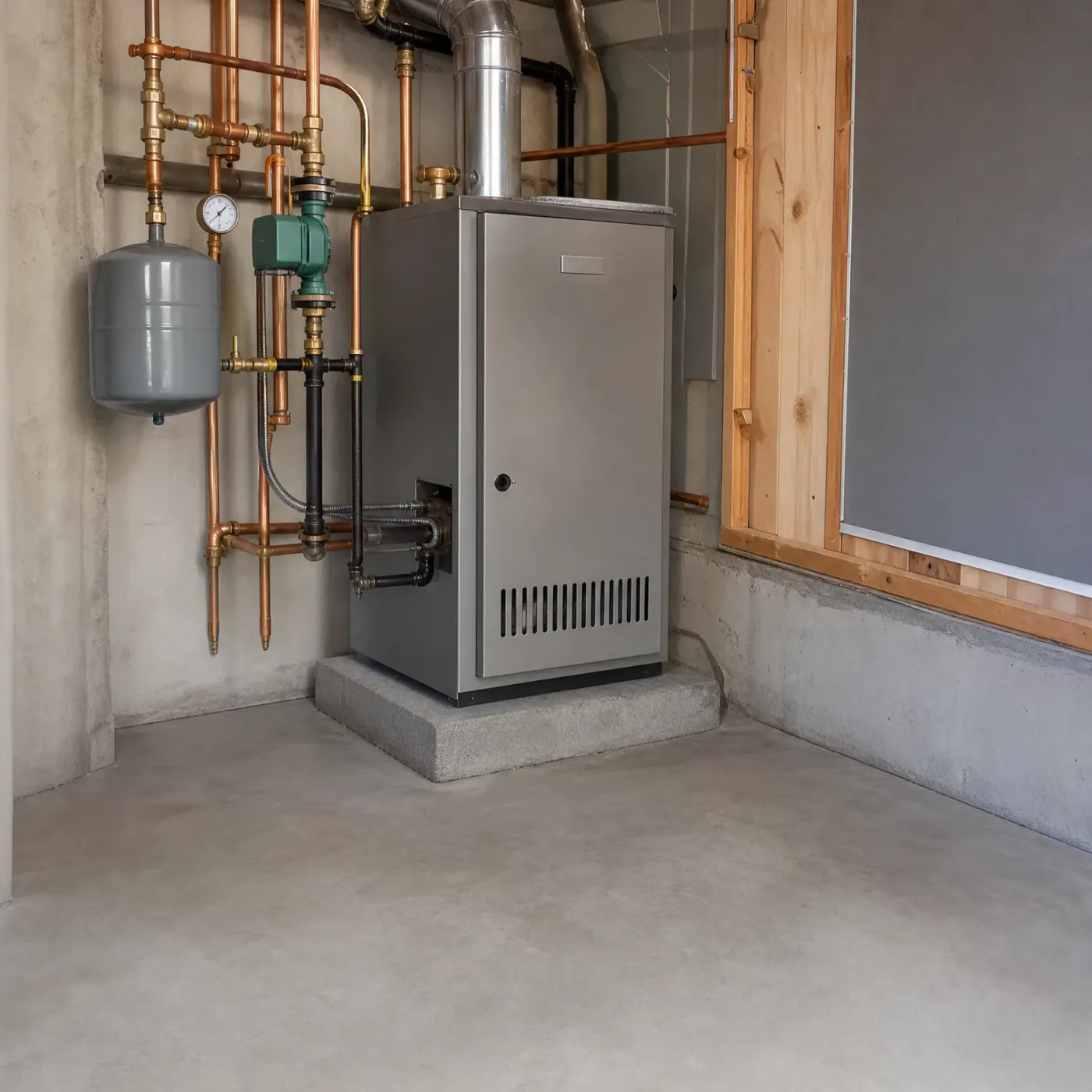
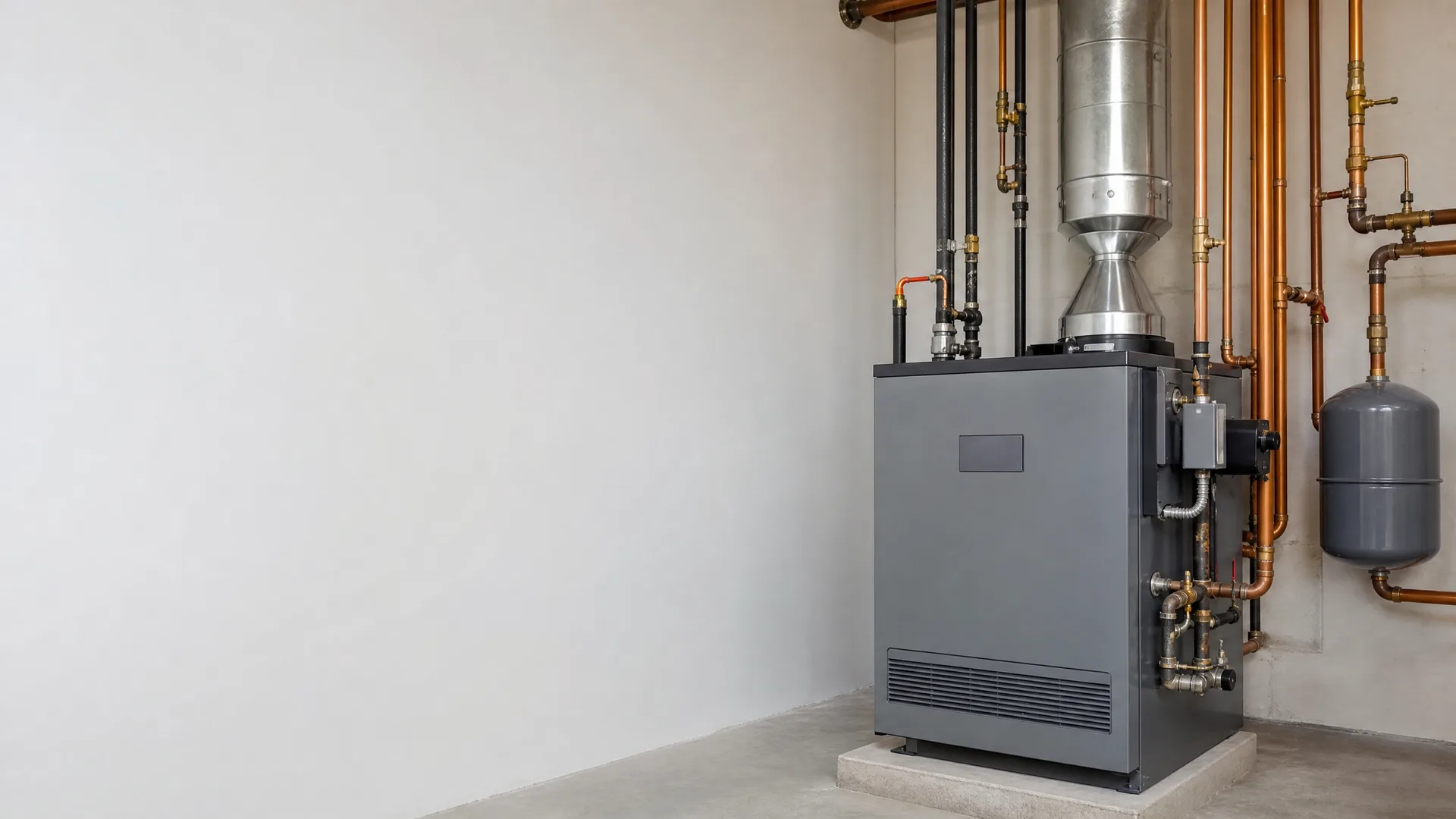
Water moves through the pipes and into every radiator, top to bottom. The pressure gauge sits steady, the expansion tank is doing its job, and the pump pushes heat through the loop without a fight. Every room gets what the boiler is making.
Heat Not Reaching the Rooms
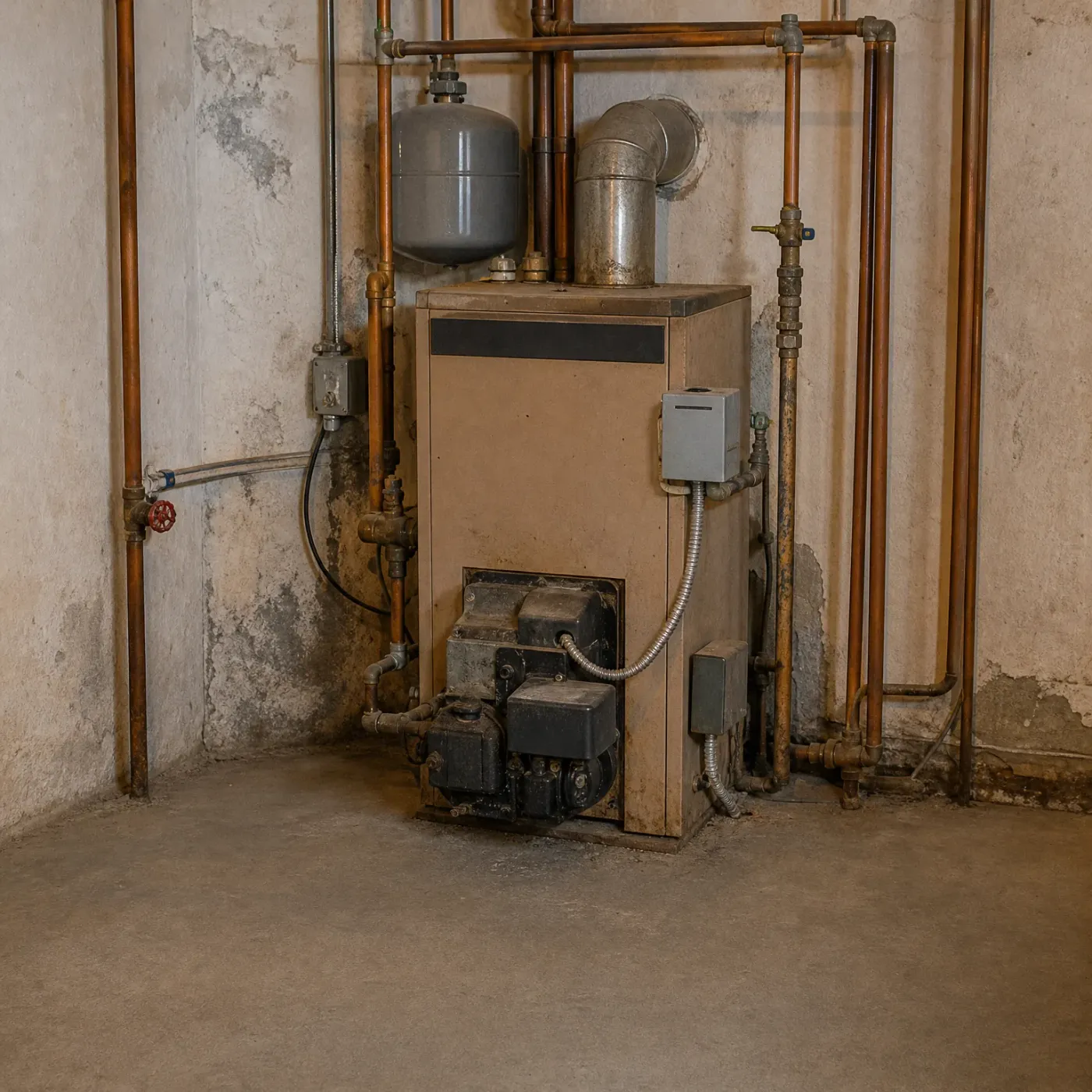
The burner fires and the pump runs, but the radiators tell a different story. Air pocketed in the line or sediment settling at the bottom of the loop blocks the water before it ever reaches the room. The boiler is working. The heat isn't getting there.
Winter nights average 9°F statewide
At 9°F overnight, a boiler that's only feeding half the radiators is losing badly. The rooms getting nothing will drop fast, and the ones that are heating will run longer to cover for them. A cold radiator doesn't wait until morning to matter.
NOAA nClimDiv 1991-2020 county normals weighted by homes
Why trapped air collects up high
A radiator fills from the bottom. If air is sitting in the line, it rises and gets stuck at the highest point it can reach, which is usually the top of the last radiator on that loop. That's why one cold radiator upstairs often isn't a separate problem from a boiler that seems to be running fine. The water is circulating under it, just not filling the space the air is holding.
Why sludge settles at the bottom
Sludge is heavier than water, so it drops to the lowest point it can reach inside a radiator and stays there instead of moving on through the loop. That's why a radiator with sludge in it runs warm at the top near the pipe and stays cold at the bottom, the opposite pattern from trapped air. Bleeding won't move it. It takes flushing the loop or pulling the radiator to clear.
A cold radiator almost always comes down to air in the line, sludge sitting in the bottom of the loop, or a valve that's stuck and not letting water through. None of those clear up on their own, and in an Alaska winter the rooms that stay cold just push more load onto the ones that don't. Bleeding a valve is worth trying first. If the radiator is still cold low or the whole house feels uneven after that, the problem is further into the system than a homeowner can reach. Once you send the form, you're done hunting for who to call. A contractor who works on boilers in these conditions gets matched to your situation, and they're the one who reaches out to you from there. You've already done the part that mattered, catching it before one cold radiator turned into a bigger repair or a bill that reflects what it costs to run a boiler harder than it should have to. The rooms that are cold now don't have to stay that way through the rest of the season.
A boiler pro near you
Send the request today and let a boiler pro reach out to you.